
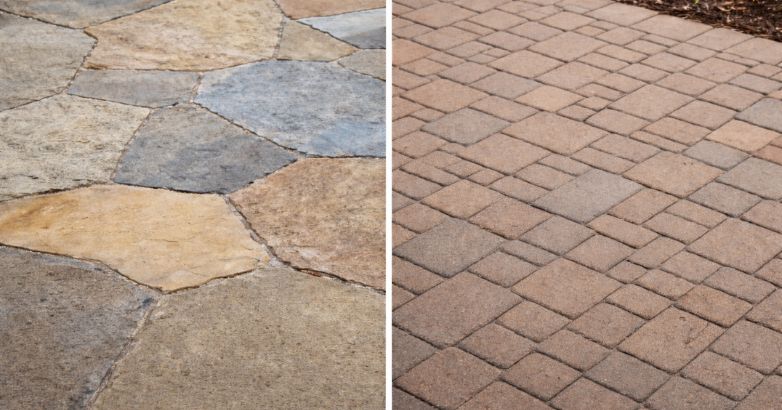
Natural Stone Pavers Vs Concrete Pavers – Full Comparison
Choosing between natural stone pavers vs concrete pavers is a decision many homeowners grapple with when designing patios, driveways, or walkways. Each material brings unique strengths—and trade-offs—that can impact your home’s aesthetics, longevity, and overall value.
To help you make an informed choice, here’s a side-by-side comparison of the most important features:
| Feature | Natural Stone Pavers | Concrete Pavers |
| Appearance | Unique, organic patterns and tones | Uniform, customizable colors and shapes |
| Durability | Extremely long-lasting; highly weather-resistant | Durable but can crack over time |
| Cost (Installed) | $15–$30 per sq ft (varies by stone type) | $10–$20 per sq ft (more budget-friendly) |
| Installation | Labor-intensive; requires skilled professionals | Easier for DIY; faster to install |
| Climate Performance | Excellent in freeze-thaw climates (if installed correctly) | Good but prone to cracking in extreme freeze-thaw cycles |
| Maintenance | Low maintenance; periodic sealing may be needed | May need regular sealing and weed control |
| Eco-Friendliness | Natural and reusable; higher carbon footprint from quarrying | Manufactured; may use recycled materials |
| Best Use Cases | High-end patios, pool decks, elegant pathways | Large driveways, public spaces, modern landscapes |
Read on as we break down each of these categories in depth—so you can confidently choose the right paver for your project.
Appearance and Visual Appeal
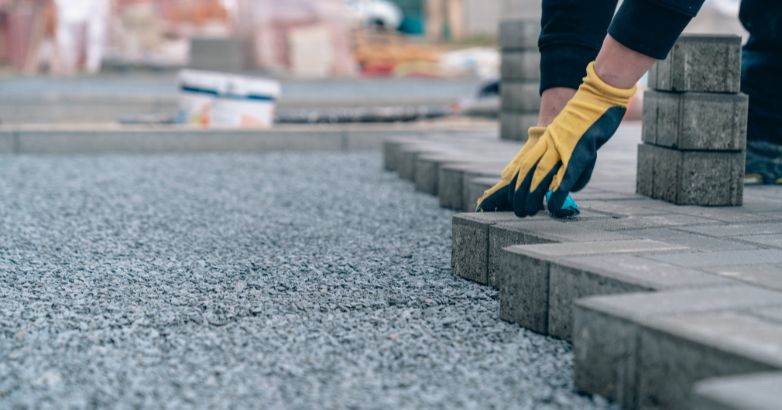
When comparing natural stone pavers vs concrete pavers, one of the most noticeable differences lies in their visual character.
Natural Variation vs. Manufactured Uniformity
Natural stone pavers—like slate, travertine, and granite—feature one-of-a-kind textures, rich colors, and mineral patterns shaped by nature over millennia. No two stones are identical, making them ideal for homeowners who want an organic, timeless look with rich visual depth.
In contrast, concrete pavers are engineered for consistency. They come in a wide array of colors, shapes, and finishes—from sleek modern grays to styles that mimic natural stone. This uniformity is especially appealing in contemporary landscapes where symmetry and control are key.
Aesthetic Fit: Modern, Rustic, or Traditional?
- Modern Homes: Concrete pavers offer sharp lines and consistent finishes, making them perfect for minimalist designs and clean layouts.
- Rustic Settings: Natural stone blends seamlessly with rustic or Mediterranean-style homes, enhancing earthy palettes and rugged textures.
- Traditional Architecture: Both materials can work well, but stone often adds a classic, high-end feel that complements historic details.
Matching Pavers to Home Style and Surroundings
Choosing the right paver isn’t just about the material—it’s about how it integrates with your environment:
- A coastal home might benefit from light-toned travertine that stays cool underfoot.
- A suburban garden may look more polished with tumbled concrete pavers in earth tones.
- Urban courtyards often favor geometric concrete designs for space efficiency and uniformity.
In the end, whether you favor the organic elegance of stone or the controlled creativity of concrete, your choice should reflect both your design taste and the character of your property.
Durability and Long-Term Use
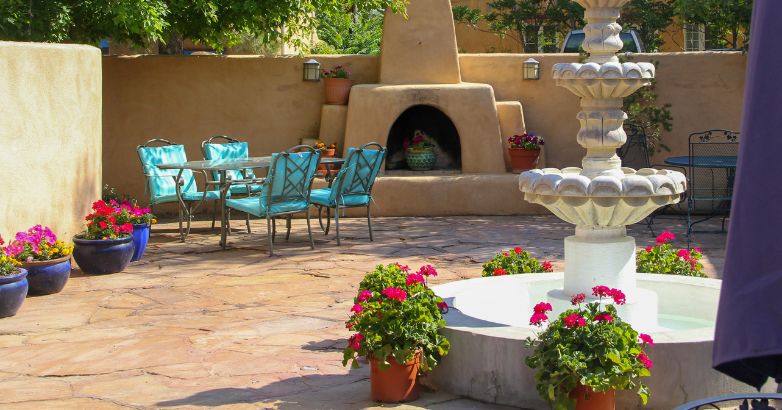
Durability is a critical factor when weighing natural stone pavers vs concrete pavers, especially for outdoor spaces that endure heavy use and harsh weather.
Weather Resistance and Erosion
Natural stone pavers—especially granite and bluestone—offer exceptional strength and durability. They naturally resist erosion, UV damage, and temperature extremes. When properly installed, they can handle decades of freeze-thaw cycles with minimal shifting or cracking.
Concrete pavers, while durable, are more susceptible to surface wear and cracking—especially in climates with frequent freezing and thawing. However, sealed concrete pavers can resist moisture and stains effectively, and interlocking varieties allow for some movement that reduces stress fractures.
Load-Bearing Capacity
- Natural stone is dense and heavy, offering exceptional load-bearing capacity—ideal for driveways, heavy foot traffic areas, and patios with outdoor kitchens or furniture.
- Concrete pavers are also strong, and manufacturers rate them for vehicular loads. However, long-term use may reveal edge chipping or hairline cracks under constant pressure if the sub-base isn’t properly prepared.
Performance in Driveways vs. Patios
| Use Case | Natural Stone | Concrete Pavers |
| Driveways | Superior strength and longevity; elegant curb appeal | Affordable, customizable; may show wear over time |
| Patios | Upscale aesthetic, weathers beautifully | Easier to install; more color and shape flexibility |
Long-Term Wear and Replacement
Over time, natural stone tends to age gracefully, developing a patina that many homeowners find desirable. Cracked stones can be individually replaced, though matching the color years later can be a challenge.
Concrete pavers, on the other hand, may fade or stain more noticeably. They’re easier to match and replace due to their standardized size, but older concrete may show its age through crumbling edges or surface flaking.
Bottom line: If longevity and weather resistance are top priorities, natural stone often holds the advantage—though high-quality concrete with proper installation can still deliver decades of reliable performance.
Cost & Installation Breakdown
When comparing natural stone pavers vs concrete pavers, budget is often the deciding factor. While both materials add value to your home, they differ significantly in cost, labor intensity, and DIY potential.
Installed Cost per Square Foot
| Material | Material Only | Installed (incl. labor) |
| Natural Stone Pavers | $8–$20 | $15–$30 per sq ft |
| Concrete Pavers | $4–$10 | $10–$20 per sq ft |
Concrete pavers are generally more affordable, both in material and installation. They’re widely available and easier to mass-produce, which helps keep costs down. Natural stone, on the other hand, is priced higher due to quarrying, shipping weight, and skilled labor requirements.
Equipment and Site Preparation
Installing either type of paver requires a stable base, typically consisting of compacted gravel and sand. However, natural stone pavers often demand additional steps:
- Precision cutting with diamond blades for irregular shapes
- Leveling uneven thicknesses by hand
- Specialized tools for setting heavier stones
Concrete pavers are more uniform, allowing for faster and more straightforward installation, especially on large surfaces.
Why Natural Stone Is Less DIY-Friendly
While experienced DIYers might feel comfortable installing concrete pavers over a weekend, natural stone is best left to professionals. Here’s why:
- Irregular edges and variable thicknesses make leveling tricky.
- The weight of natural stone slabs can require lifting equipment.
- Poor installation can lead to drainage issues or premature shifting.
Despite the higher upfront investment, natural stone often offers a longer return on value, particularly in upscale projects where visual appeal and longevity matter most.
Performance in Climate & Environment
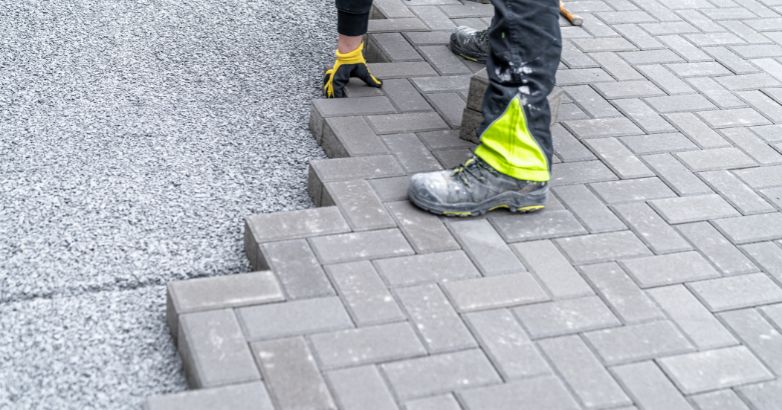
Your region’s climate and environmental concerns can strongly influence the decision between natural stone pavers vs concrete pavers. Let’s look at how each material holds up under environmental stressors and contributes to sustainability goals.
Freeze-Thaw Cycle Performance
In cold climates, freeze-thaw cycles can wreak havoc on paving materials.
- Natural stone, especially denser varieties like granite and bluestone, is highly resistant to cracking and splitting. Its minimal water absorption rate makes it ideal for regions with harsh winters.
- Concrete pavers, while designed to handle moderate freeze-thaw conditions, are more porous. Without proper sealing and drainage, they may absorb water that freezes and expands, leading to cracks over time.
Water Drainage and Permeability
Both materials can be installed with permeable techniques, but there are differences:
- Concrete pavers are available in permeable variants with built-in drainage gaps, making them a popular choice for eco-conscious landscapes and municipalities targeting stormwater runoff reduction.
- Natural stone, while not inherently permeable, can be laid with wider joints and permeable base materials to allow drainage. However, this requires precise planning and installation.
From a practical standpoint, concrete offers more engineered solutions for areas with heavy rainfall or strict drainage codes.
Urban Heat Island Effect
Concrete surfaces tend to absorb and retain heat, which can contribute to the urban heat island effect—especially in cities.
Natural stone, particularly in lighter shades like travertine or limestone, tends to reflect more sunlight and stay cooler underfoot, making it a better choice around pools or patios in hot climates.
Sustainability and Carbon Footprint
| Factor | Natural Stone | Concrete Pavers |
| Raw Material Source | Quarried; finite natural resource | Manufactured; often includes recycled materials |
| Carbon Emissions | High (quarrying, cutting, transport) | Moderate (cement production contributes CO₂) |
| Recyclability | Highly reusable and repurposable | Often recyclable but less durable over multiple uses |
While both materials have environmental trade-offs, natural stone’s longevity and recyclability may offset its initial carbon footprint over decades of use. Concrete pavers, however, offer greener manufacturing options when made with fly ash or recycled aggregates.
Maintenance & Upkeep
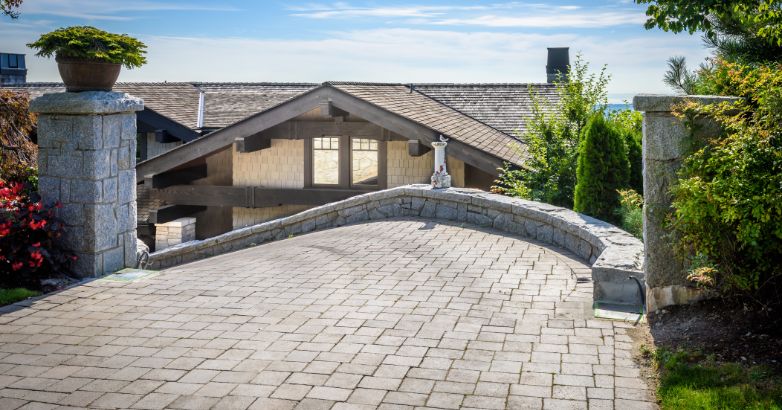
Understanding the long-term care required for natural stone pavers vs concrete pavers is essential for homeowners who want lasting beauty with minimal hassle. While both materials are relatively low-maintenance, their upkeep routines differ in cost, frequency, and approach.
Sealing Schedules and Effectiveness
- Natural stone pavers benefit from sealing every 2–3 years, depending on the type of stone and exposure to elements. A high-quality sealer enhances color, prevents staining, and minimizes water absorption—especially critical for porous stones like limestone or sandstone.
- Concrete pavers also require sealing to protect against stains, fading, and moisture intrusion. However, due to their uniform porosity, sealers tend to be more effective and longer-lasting—up to 3–5 years in some climates.
Pro Tip: Darker or textured pavers (both concrete and stone) often mask stains better than smooth, light-colored options.
Cleaning, Moss, and Weed Control
Routine cleaning is simple for both materials:
- Sweep regularly to remove debris.
- Use a mild detergent and pressure washer for deep cleaning (be gentle with softer stones like slate).
For moss and weeds, the jointing material plays a major role:
- Concrete pavers, often installed with polymeric sand, are more resistant to weed growth and shifting.
- Natural stone, especially when installed with loose sand or gravel joints, may allow moss or weeds to take root if not maintained.
Preventive weed barriers and annual joint sand refreshes can significantly reduce this issue.
Repair and Replacement Strategies
- Cracked concrete pavers typically need to be removed and replaced. Fortunately, standardized sizing makes matching replacements relatively easy—if the style is still in production.
- Natural stone repairs involve lifting and resetting the paver, especially if it has shifted or sunk. Replacing a broken stone can be trickier, as finding a color- and texture-matched slab may require custom sourcing.
Despite this, stone is less likely to show wear or degrade visually over time, while older concrete may fade or chip.
Safety, Slip Resistance & Surface Comfort
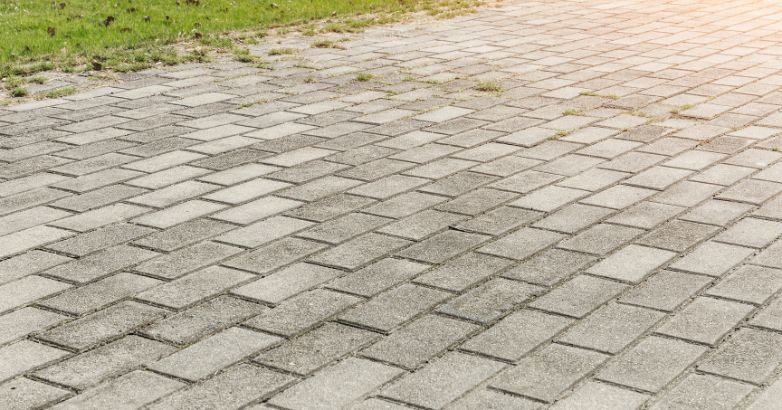
Safety and comfort underfoot are critical when evaluating natural stone pavers vs concrete pavers, especially in areas like pool decks, patios, and walkways where slipping or discomfort can be a concern.
Performance Around Pools and Wet Areas
- Natural stone, particularly textured finishes like flamed granite or tumbled travertine, provides excellent slip resistance—even when wet. It’s a popular choice for luxury pool decks due to its combination of traction and visual appeal.
- Concrete pavers can be manufactured with slip-resistant textures and additives, but smoother finishes may become slick in rainy conditions or near water features. For poolside use, opt for brushed or exposed aggregate concrete styles for added grip.
Walking Barefoot: Heat Absorption & Texture
- Concrete pavers, especially darker colors, can absorb and retain significant heat—making them uncomfortable for bare feet during summer months. Their texture also varies widely, from smooth to aggressively rough, which may impact comfort.
- Natural stone pavers like travertine or sandstone tend to stay cooler under direct sun and offer a more pleasant walking surface. Their naturally soft or honed finishes are gentle on bare feet while still offering traction.
If barefoot comfort is a top priority (e.g., around pools or patios), light-colored natural stone generally outperforms concrete in both temperature and texture.
ADA Accessibility and Surface Uniformity
- Concrete pavers excel in ADA compliance thanks to their consistent thickness, uniform joint spacing, and ease of installation on level planes—ideal for creating smooth, stable pathways for mobility aids like wheelchairs or walkers.
- Natural stone, while durable, can have slight variations in height and texture. Without meticulous installation, this can create small lips or uneven joints that may be less suitable for accessibility needs.
For projects requiring strict accessibility standards—like public walkways or homes with elderly residents—concrete pavers offer a more predictable and compliant surface.
Best Applications for Each

When choosing between natural stone pavers vs concrete pavers, the right decision often comes down to matching the material to your project’s scale, style, and budget. Here’s where each type excels:
Where Natural Stone Shines
Natural stone pavers bring timeless elegance and authentic character, making them perfect for:
- Premium outdoor living areas – Upscale patios, pool surrounds, and outdoor kitchens where visual appeal is just as important as long-term performance.
- Visual focal points – Garden paths, entryways, or courtyards where the organic beauty of stone enhances curb appeal.
- Historic or rustic-style homes – Stone complements architectural charm and adds timeless sophistication.
With each piece offering unique color variation and texture, natural stone is best for homeowners seeking premium, long-lasting beauty.
Where Concrete Pavers Are Ideal
Concrete pavers offer affordability, consistency, and design flexibility—making them the go-to choice for:
- Large-scale installations – Driveways, walkways, and public spaces where cost-effective coverage is essential.
- Modern landscaping – Their uniform shapes and colors are perfect for clean, geometric layouts in contemporary designs.
- DIY-friendly projects – Lighter and more uniform, concrete pavers are easier for homeowners to install without professional help.
If you’re looking for a balance of style, functionality, and budget-conscious performance, concrete is often the smarter fit.
Frequently Asked Questions
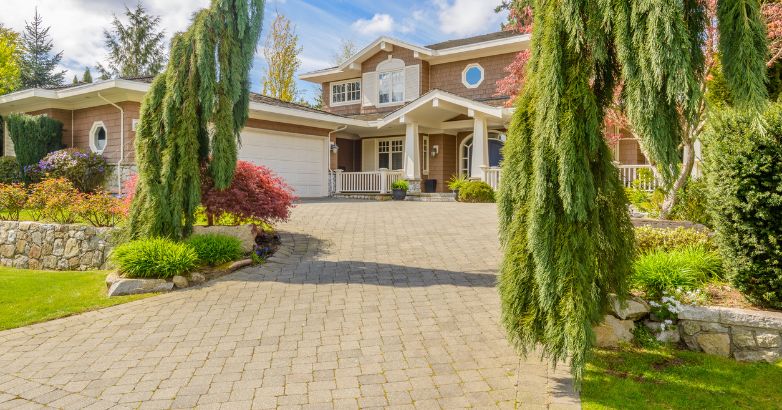
Still undecided between natural stone pavers vs concrete pavers? These answers address the most common questions homeowners ask when weighing their options.
It depends on your priorities. Concrete pavers are more affordable, consistent in appearance, and easier to install—making them ideal for large or budget-driven projects. Natural stone pavers, however, offer unmatched beauty, durability, and a premium finish that elevates high-end spaces.
Natural stone can be more expensive to purchase and install, and its irregular shapes may require skilled labor. It’s also heavier, less DIY-friendly, and some types (like limestone) may need sealing to protect against moisture or stains.
Generally, no—concrete pavers are more budget-friendly. Installed costs for concrete typically range from $10–$20 per square foot, while natural stone can cost $15–$30 or more, depending on the material and location.
Yes, natural stone is often denser and more durable than concrete. Stones like granite and bluestone have exceptional load-bearing capacity and weather resistance, making them ideal for driveways and harsh climates.
– Higher cost (materials + labor)
– Irregular sizing can complicate installation
– May require sealing depending on the type
– Harder to match replacement pieces over time
Despite these drawbacks, natural stone offers superior longevity and visual appeal for many homeowners.
Natural stone generally lasts longer—often several decades with minimal wear. Concrete pavers also perform well but may show surface wear or require more frequent replacement over time, especially in high-traffic or freeze-thaw areas.
Conclusion
Choosing between natural stone pavers vs concrete pavers ultimately comes down to your budget, style preferences, and long-term goals. Natural stone delivers timeless beauty and exceptional durability, perfect for luxury settings and statement spaces. Concrete pavers, on the other hand, offer affordability, design flexibility, and ease of installation—ideal for large projects or DIY enthusiasts.
Whether you’re upgrading a patio, driveway, or walkway, understanding the strengths and trade-offs of each material ensures you make the right investment for your home.
Need help bringing your vision to life? Contact Elite Landscapes & Concrete today for expert guidance and a custom quote on your paver project.