
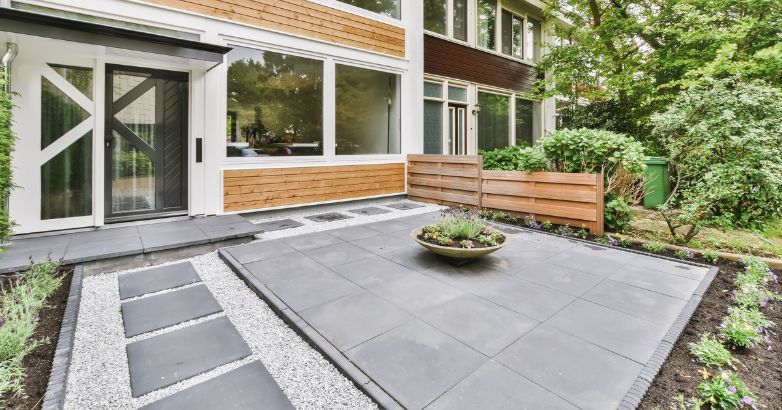
Are Concrete Patios Good for Connecticut Homes? What to Know
Upgrading your backyard is a great way to create more usable outdoor space, especially in a place like Connecticut where homeowners value patios for relaxing, entertaining, and enjoying the warmer months. Among the many materials available, concrete patios are one of the most common choices thanks to their durability, affordability, and design flexibility.
Are Concrete Patios Good for Connecticut Homes?
Yes, concrete patios can be a great option for Connecticut homes when they’re installed properly and built to handle the region’s freeze–thaw climate. With the right base preparation, drainage, and finishing techniques, a concrete patio can last for decades while providing a low-maintenance outdoor living space.
That said, concrete isn’t always the best choice for every yard or every homeowner.
Read on to learn when concrete patios work well in Connecticut, when they might not be the best option, and what to consider before installing one.
When Concrete Patios Work Great in Connecticut
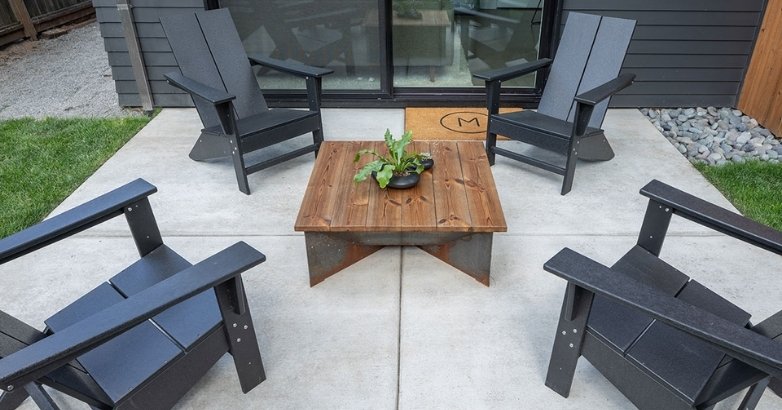
Concrete patios can perform extremely well in Connecticut when the conditions are right. Many homeowners choose concrete because it offers a strong balance of durability, affordability, and design flexibility.
You Want a Long-Lasting, Low-Maintenance Surface
When installed correctly, a concrete patio can last for decades with relatively little upkeep. Compared to wood decks or some other patio materials, concrete usually requires less maintenance beyond occasional cleaning and sealing.
You Need a Cost-Friendly Option Compared to Natural Stone
Natural stone patios can look beautiful, but they often come with a much higher price tag. Concrete offers a more budget-friendly alternative while still providing a strong, durable outdoor surface.
You Want Design Flexibility (Stamped, Colored, or Exposed Aggregate)
Modern concrete patios provide a wide range of design options. Homeowners can choose finishes such as stamped concrete, colored concrete, or exposed aggregate, allowing the patio to mimic natural stone or create a decorative custom look.
Your Yard Can Be Graded for Proper Drainage
Drainage is especially important in Connecticut because of frequent rain, snow, and freeze–thaw cycles. If your yard can be properly graded to direct water away from the patio, concrete tends to perform much better over time.
You’re Hiring an Installer Experienced With New England Conditions
The quality of installation plays a major role in how well a concrete patio holds up. Contractors who understand New England’s climate will prepare the base correctly, install control joints, and use the right concrete mix to help the patio withstand seasonal temperature changes.
Read More: Luxury Patio Ideas – 15 Ways to Upgrade Your Outdoor Space
When Concrete Might Not Be the Best Choice
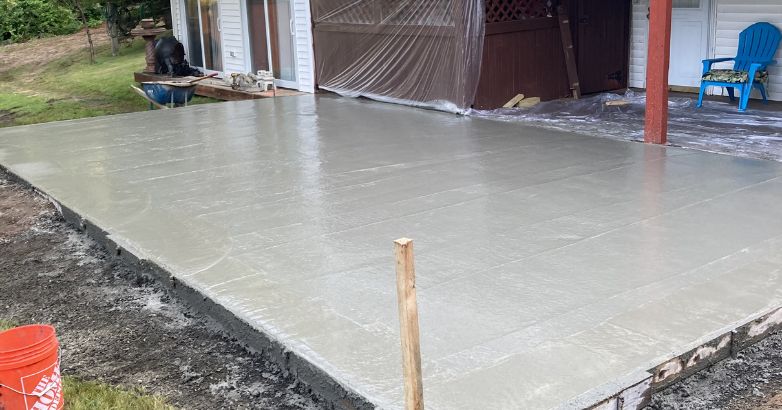
While concrete patios work well for many Connecticut homes, are concrete patios good for Connecticut homes in every situation? Not always. In some cases, other materials may perform better or deliver the look homeowners want.
Your Yard Has Chronic Drainage Problems You Can’t Solve
Concrete patios need proper drainage to perform well over time. If your yard tends to collect standing water or has grading issues that are difficult to correct, water can cause surface damage or contribute to cracking during freeze–thaw cycles.
You Want “No-Crack Ever” Aesthetics
Concrete is strong, but it can still develop cracks over time, especially in climates with frequent temperature changes like Connecticut. If you want a patio surface that hides movement better, paver patios are often a better option because individual pavers can shift slightly without creating visible cracks.
You’re Near the Coast and Expect More Salt Exposure
Homes located near the Connecticut coastline often experience more salt exposure from ocean air or winter de-icing. Over time, salt can contribute to surface wear on concrete if the patio isn’t properly sealed and maintained.
You’re DIY-ing Without Experience in Base Prep and Finishing
Installing a concrete patio is more complex than it may seem. Proper base preparation, reinforcement, and finishing techniques are essential for durability. So, are concrete patios good for Connecticut homes when installed as a DIY project? Without the right experience, DIY installations may lead to uneven surfaces, drainage issues, or premature cracking.
Pros of Concrete Patios for Connecticut Homes
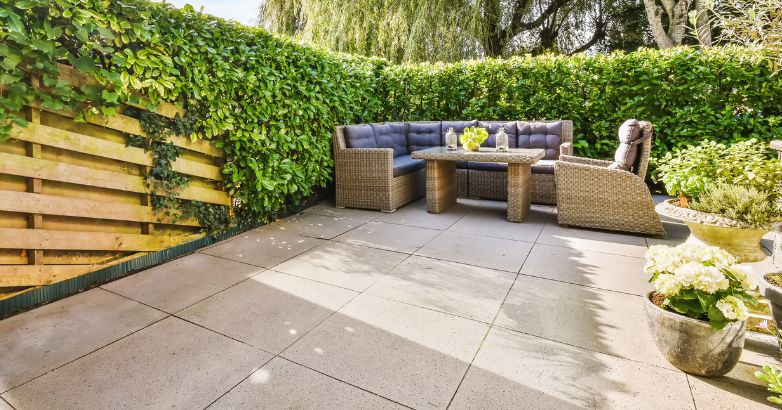
Concrete patios are a popular choice for many Connecticut homeowners because they offer a strong balance of durability, affordability, and design flexibility. When installed properly, they can provide a reliable outdoor surface that holds up well in New England conditions.
Strong and Durable When Built Correctly
A properly installed concrete patio can withstand years of use and Connecticut’s seasonal temperature changes. With the right base preparation, reinforcement, and control joints, concrete can handle freeze–thaw cycles while maintaining its structural strength.
More Affordable Than Stone and Often Cheaper Than Pavers
One of the biggest advantages of concrete is its cost. Compared to natural stone patios, and often even paver patios, concrete tends to be a more budget-friendly option while still delivering long-term durability.
Many Finish Options
Concrete patios are far more versatile than many homeowners expect. Finishes can range from a simple broom finish for traction to decorative options like stamped concrete, colored concrete, or exposed aggregate that mimic the look of natural stone.
Easy to Clean and Maintain
Concrete patios are relatively easy to maintain. Regular sweeping, occasional washing, and periodic sealing can help keep the surface looking good and protect it from moisture, stains, and winter weather.
Can Improve Curb Appeal and Outdoor Living
A well-designed patio can make a backyard more functional and inviting. Concrete patios create a durable space for outdoor dining, entertaining, and relaxing while also improving the overall appearance and usability of a home’s outdoor living area.
Read More: Stone Patio Ideas – 15 Designs to Elevate Your Yard
Cons of Concrete Patios in Connecticut

Concrete patios have a lot of advantages, but they also come with trade-offs, especially in a climate like Connecticut where weather swings, moisture, and winter conditions can test any outdoor surface. So, are concrete patios good for Connecticut homes in every situation? Not always, which is why it’s important to understand the potential drawbacks before choosing this material.
The Surface Can Get Slippery in Winter Depending on the Finish
Some finishes, especially smoother troweled surfaces or certain stamped patterns, can become slippery when wet, icy, or covered in compacted snow. Choosing a traction-friendly finish and maintaining good snow/ice practices can help reduce this risk.
Repairs Can Be Visible
Unlike pavers, concrete repairs often don’t blend perfectly. Patches may stand out in color and texture, especially on decorative finishes like stamped or colored concrete, which can make fixes noticeable even when structurally sound.
Concrete Can Retain Heat in Summer Sun
Concrete tends to absorb and hold heat, which can make the surface feel hot underfoot during sunny summer days, especially on darker-colored concrete or patios with full sun exposure.
Quality Varies Wildly by Installer
The durability of a concrete patio often comes down to workmanship. Differences in base preparation, mix quality, thickness, reinforcement, finishing, and joint placement can dramatically affect how the patio performs through Connecticut’s seasons.
Read More: What’s the Cost of a Stone Patio in Connecticut? Full Guide
How Much Does a Concrete Patio Cost in Connecticut?

The cost of a concrete patio in Connecticut can vary depending on the patio size, design, site preparation, and finish. However, most homeowners can expect a fairly predictable range based on recent project data.
Average Cost per Square Foot
In Connecticut, a basic 4-inch reinforced concrete patio typically costs around $6 to $8 per square foot, with a statewide average of about $7.27 per square foot for a standard installation.
For patios with decorative finishes such as stamping, coloring, or custom borders, the price can increase to $12 to $18 per square foot or more, depending on complexity and materials.
Typical Patio Price Examples
Here’s what those per-square-foot costs might look like for common patio sizes:
- Small patio (10 × 10 ft / 100 sq ft): about $700 – $1,800
- Medium patio (12 × 16 ft / 192 sq ft): about $1,300 – $3,500
- Large patio (20 × 20 ft / 400 sq ft): about $3,000 – $7,200+
More complex stamped or decorative patios can push total costs higher, especially if custom patterns, borders, or color treatments are included.
Factors That Affect Patio Cost
Several factors can influence the final price of a concrete patio in Connecticut:
- Site preparation and excavation
- Grading and drainage work
- Thickness of the slab
- Decorative finishes or stamping
- Accessibility of the installation area
- Removal of existing patios or landscaping
Because Connecticut properties often require proper base preparation and drainage to handle freeze–thaw cycles, professional installation can play a major role in both the initial cost and long-term durability of the patio.
In many cases, concrete remains one of the most cost-effective patio materials, especially compared to natural stone or high-end paver installations.
Best Concrete Patio Finishes for Connecticut Homes
The finish you choose for your concrete patio can make a big difference in how it looks, feels, and performs in Connecticut’s climate. With snowy winters, rain, and seasonal temperature changes, choosing the right surface can help determine whether concrete patios are good for Connecticut homes in terms of safety, durability, and long-term appearance.
Broom Finish (Traction-Friendly)
A broom finish is one of the most common and practical choices for concrete patios in Connecticut. The surface is lightly textured using a broom while the concrete is still wet, creating small ridges that improve traction. This finish helps reduce slipperiness during rain, snow, and icy conditions.
Exposed Aggregate (Great Grip and Hides Wear)
Exposed aggregate patios reveal the natural stones within the concrete mix, creating a textured and decorative surface. This finish provides excellent grip and is especially good at hiding minor wear, stains, or surface imperfections that may appear over time.
Stamped Concrete (High-End Look With Some Upkeep)
Stamped concrete allows homeowners to replicate the appearance of materials like natural stone, slate, brick, or tile. It’s a popular option for those who want a more decorative patio design. However, stamped concrete typically requires periodic sealing to protect the color and prevent moisture damage.
Colored Concrete (Avoid Fading With Quality Sealers)
Adding color to concrete can help match the patio to your home’s exterior or landscaping. Pigments can be mixed directly into the concrete or applied as stains. To keep the color looking vibrant over time, homeowners usually need to apply a high-quality sealer every few years.
Concrete With a Paver Border (Premium Look With Added Control)
Some patios combine a concrete slab with a paver or brick border. This design adds a decorative edge while also helping control cracking and improve the overall visual appeal of the patio. The contrast between materials can create a more custom, high-end appearance.
Do Concrete Patios Add Value for Connecticut Homes?
For many homeowners in Connecticut, adding a patio can make a property more appealing and functional. While a patio may not always deliver a dollar-for-dollar return on investment, it can still increase a home’s attractiveness to buyers and improve everyday outdoor living.
Outdoor Living Space Is a Strong Buyer Preference in New England
Outdoor living areas are highly desirable in New England, especially during the warmer months when homeowners want to spend more time outside. A well-designed patio can provide space for dining, relaxing, and entertaining, which many buyers see as a valuable feature.
Patios Can Improve Usability and Curb Appeal
A concrete patio can transform an empty backyard into a functional living area. By creating a defined outdoor space, patios help improve both the usability of the yard and the overall curb appeal of the property.
Best Value Comes From Good Drainage and Smart Design
Patios tend to add the most value when they’re properly installed and designed to fit the property. A patio that is well-drained, visually cohesive with the home, and easy to maintain is far more attractive to potential buyers than one that shows drainage issues or visible damage.
Decorative Finishes Can Help, If They’re Well Maintained
Decorative finishes like stamped or colored concrete can make a patio stand out and complement the home’s landscaping. However, these finishes add value only when they remain clean, well-sealed, and properly maintained over time.
Read More: Backyard Patio Ideas – 10 Solutions for Your Connecticut Home
Concrete Patio Maintenance Tips for Connecticut Winters
Connecticut winters can be tough on outdoor surfaces. Snow, ice, freezing temperatures, and de-icing chemicals can all affect how well a concrete patio holds up over time. And since concrete patios are good for Connecticut homes only when they’re cared for properly, the right maintenance habits can go a long way in protecting the surface and extending its lifespan.
Avoid Harsh Salts When Possible
Traditional rock salt and harsh de-icing chemicals can damage concrete surfaces, especially during freeze–thaw cycles. When ice control is necessary, look for concrete-safe de-icers that are designed to be less corrosive.
Use a Plastic Shovel Edge
When clearing snow from a concrete patio, use a shovel with a plastic edge rather than a metal one. Metal blades can scrape or chip the surface, especially on decorative finishes like stamped or colored concrete.
Reseal When Water No Longer Beads on the Surface
Concrete sealers help protect patios from moisture penetration, stains, and winter damage. A good rule of thumb is to reseal the patio when water no longer beads on the surface, which typically means the protective layer has worn down.
Spring Maintenance Checklist
Once winter ends, it’s a good idea to inspect your patio for any signs of wear or damage. A simple spring maintenance routine may include:
- Cleaning the surface to remove dirt and salt residue
- Inspecting control joints and small cracks
- Checking that drainage is still working properly
- Spot-sealing areas where the sealer has worn away
Regular inspection and maintenance can help keep a concrete patio in good condition and prevent small issues from turning into larger repairs.
Read More: Best Stone for Patios in Connecticut – 5 Top Stone Options
FAQs About Concrete Patios in Connecticut
Concrete patios are a popular choice in Connecticut, but homeowners often have a few important questions, especially about cracking, winter safety, and long-term durability. Below are quick, clear answers to the most common questions we hear when planning or installing a concrete patio in New England.
Yes, concrete patios can crack during winter, especially in climates like Connecticut, where freeze–thaw cycles are common. Water can seep into small pores in the concrete, freeze, and expand. However, proper installation techniques, such as base preparation, control joints, and air-entrained concrete, help minimize the risk and keep most cracks small and cosmetic.
Most residential concrete patios in Connecticut are about 4 inches thick, which is generally sufficient for typical foot traffic and patio furniture. In areas with heavier loads, such as outdoor kitchens or hot tubs, contractors may recommend 5–6 inches of concrete with reinforcement to provide extra strength.
Stamped concrete can be slightly more slippery than broom-finished concrete because the surface is smoother. However, many installers add texturing or non-slip additives in the sealer to improve traction. Regular snow removal and proper de-icing practices also help reduce slipping hazards.
A well-installed concrete patio in New England can last 25 to 40 years or more with proper maintenance. Regular sealing, proper drainage, and avoiding harsh de-icing chemicals can significantly extend the lifespan of the patio.
Pavers often handle freeze–thaw movement better because individual pavers can shift slightly without cracking. Concrete, on the other hand, is a continuous slab that may develop cracks over time. That said, properly installed concrete patios can still perform very well in Connecticut, especially when built with the right base preparation and drainage.
Conclusion
So, are concrete patios good for Connecticut homes? Yes, when they’re installed correctly, concrete offers a durable, budget-friendly, and flexible option that can hold up well through New England seasons. The best results come from proper drainage, a climate-ready install, and simple ongoing maintenance.
Ready to build or upgrade your outdoor space? Contact Elite Landscapes & Concrete to get expert help with a patio that fits your home and your yard.