

Benefits of Stone Patios in Connecticut – 14 Advantages
Stone patios bring natural beauty, durability, and practical value to outdoor spaces throughout Connecticut. Available in a wide range of colors, textures, shapes, and finishes, natural stone can complement everything from traditional New England gardens to modern landscapes. It also provides a sturdy surface for dining, entertaining, relaxing, and everyday outdoor living.
So, what are the benefits of stone patios in Connecticut?
The main advantages include:
- Exceptional durability
- Long service life
- Strong weather resistance
- A natural, attractive appearance
- Versatile design options
- Low maintenance requirements
- Good traction with textured finishes
- Heat tolerance, depending on the stone type
- Easy repair of individual sections
- An appearance that improves with age
- Compatibility with many landscape styles
- More functional outdoor living space
- Potential support for property value
- Permeable installation options that may reduce runoff
The benefits of stone patios in Connecticut make natural stone a strong option for homeowners who want an outdoor surface that is both attractive and built to last. Read on to learn more about the best stones for the local climate, expected costs, and how stone compares with other patio materials.
1. Durable
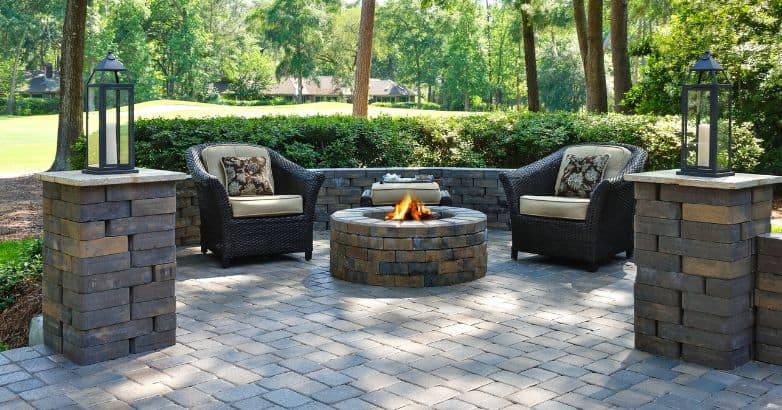
Natural stone is well suited to patios because it can handle heavy furniture, grills, planters, and frequent foot traffic without denting or warping. Moreover, dense stones such as granite and slate resist surface wear better than many manufactured materials. However, durability still depends on stone type, thickness, base preparation, and installation quality. A properly supported stone patio is less likely to shift, crack, or become uneven under regular use, making it a reliable choice for active outdoor spaces.
2. Long-Lasting
A properly installed stone patio can remain functional for decades because natural stone does not rot, warp, or deteriorate quickly. In addition, the patio is built from separate pieces, so isolated damage does not usually require full replacement. Individual stones can be lifted, re-leveled, or replaced when movement occurs. As a result, repairs stay limited to affected areas, which reduces disruption and extends the overall lifespan of the patio. This makes stone especially valuable for homeowners planning a long-term outdoor improvement.
3. Weather-Resistant
One of the key benefits of stone patios in Connecticut is their ability to withstand rain, wind, sunlight, and seasonal temperature changes. Patios in the state may be exposed to hot summers, cold winters, and repeated freeze-thaw cycles. Dense stones absorb less moisture, which can help reduce surface damage during wet or freezing conditions. However, more porous materials may be vulnerable if water enters small gaps and expands. For that reason, stone density, drainage, joint material, and proper installation should all guide material selection. When these factors are handled correctly, a stone patio can remain stable and usable throughout the changing seasons.
Read More: Bluestone Vs Flagstone For Patios In Connecticut – Which Is Best?
4. Natural Appearance
Stone gives patios visual depth that manufactured surfaces often struggle to reproduce. Each piece has its own color variation, mineral pattern, edge shape, and texture, so the finished surface feels less uniform. In addition, natural stone blends easily with planting beds, timber features, retaining walls, and garden paths. Over time, subtle weathering can make the patio look more settled within the landscape rather than worn out. This makes stone especially effective in outdoor spaces where a cohesive, organic appearance matters.
5. Design Versatility
Stone patios can be shaped, patterned, and finished to suit very different outdoor designs. For example, irregular flagstone creates a relaxed, organic layout, while cut limestone or granite supports cleaner, more formal lines. In addition, homeowners can vary joint width, border treatments, and laying patterns. This flexibility makes stone useful for compact courtyards, large entertaining areas, curved garden spaces, and patios that need to connect visually with existing architecture.
6. Low Maintenance
Another key benefit of stone patios in Connecticut is their relatively low maintenance. They generally require sweeping, occasional washing, and periodic weed control between joints. Unlike wood, they do not need regular staining or painting. Routine care may also include clearing leaves, monitoring drainage, and checking for minor movement after winter freeze-thaw cycles. Isolated stains or damaged stones can often be treated without disturbing the entire patio. Maintenance needs still depend on the stone and joint material, since porous surfaces may benefit from sealing. Even so, upkeep is usually manageable and focused on preserving drainage, joint stability, and surface cleanliness.
Read More: What’s the Cost of a Stone Patio in Connecticut? Full Guide
7. Good Traction With Textured Finishes

Textured stone finishes can improve grip around patios, pool areas, and outdoor kitchens where surfaces may become wet. For example, flamed granite, cleft slate, and naturally rough flagstone provide more traction than polished stone. However, surface texture should balance safety and comfort, since very uneven finishes can make furniture unstable or feel harsh underfoot.
8. Heat-Tolerant, Depending on Stone Type
Some stone types handle heat well, making them suitable for sunny patios, fire pit areas, and outdoor cooking spaces. Light-colored limestone and travertine often stay cooler than darker materials, while granite tolerates high temperatures without deforming. Still, surface temperature varies by color, density, and sun exposure, so material selection should reflect the patio’s location and intended use.
9. Repairable in Individual Sections
A stone patio is easier to repair because each piece functions independently. When one stone cracks, sinks, or becomes loose, installers can remove and reset that section without rebuilding the entire surface. As a result, repairs are usually less disruptive and more targeted. This modular design also makes it easier to correct drainage problems, replace stained pieces, or access utilities beneath the patio.
10. Ages Well
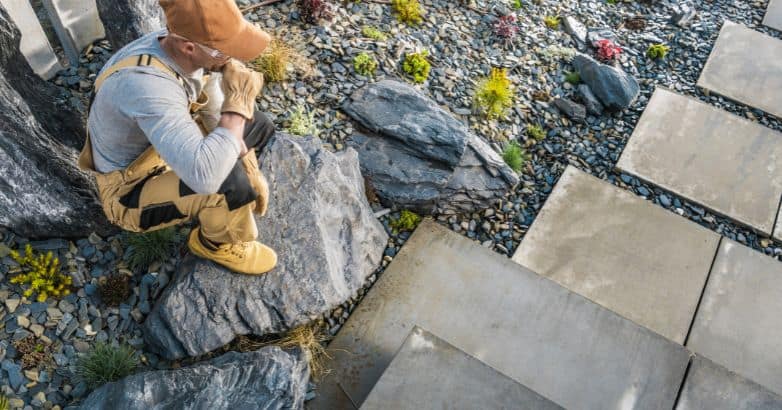
The benefits of stone patios in Connecticut also include the way natural stone develops more character as it weathers. Subtle color changes, softened edges, and a light surface patina can help a patio blend naturally with local landscapes and traditional New England-style properties. Unlike materials that look noticeably worn when finishes peel or fade, stone tends to mature gradually. However, proper drainage and occasional cleaning still matter, since standing water, leaf buildup, and neglected joints can make natural aging look more like deterioration.
11. Works With Many Landscape Styles
Stone adapts easily to different landscape styles because its color, shape, and finish can be selected to match the setting. Irregular flagstone suits naturalistic gardens, while cut granite or limestone fits formal and contemporary designs. In addition, stone pairs well with brick, wood, gravel, planting beds, and water features without creating a visually disconnected space.
12. Can Improve Outdoor Living Space
A stone patio creates a defined area for dining, relaxing, cooking, or entertaining outdoors. Moreover, it can connect the home to the garden more effectively by turning unused ground into a practical living zone. Thoughtful sizing, shade, lighting, and furniture placement further improve comfort, helping the patio function as a true extension of the home.
13. Can Support Property Value

A well-designed stone patio can make a property more appealing by adding a durable, usable outdoor area. Moreover, buyers may value the visual quality and lower replacement needs associated with natural stone. However, the effect on property value depends on installation quality, local buyer preferences, and how well the patio fits the home. A poorly planned layout may add little, while a cohesive patio can strengthen overall curb appeal.
14. Permeable Options Can Reduce Runoff
Another benefit of stone patios in Connecticut is their ability to support better drainage when installed with wider joints, permeable bedding, or gravel-filled gaps. Instead of directing all rainwater toward drains, these systems allow some water to filter into the ground, which can help reduce runoff and puddling during rainy periods. However, permeability depends on the entire installation system, not the stone alone. The base, joint material, soil conditions, and slope must all be planned correctly to provide effective drainage and long-term stability.
Best Types of Stone for Patios
The best stone depends on climate, budget, maintenance expectations, and the desired finish. Some materials prioritize durability, while others offer cooler surfaces or a softer, more natural look. The table below compares five common options.
|
Stone type |
Best for |
Main advantages |
Key considerations |
|
Flagstone |
Natural, informal patios |
Organic appearance, varied shapes, good traction |
Uneven pieces may require careful installation |
|
Limestone |
Traditional and contemporary designs |
Smooth appearance, light colors, comfortable underfoot |
Can stain and may need sealing |
|
Slate |
Textured, distinctive patios |
Rich color variation, good grip, layered appearance |
Lower-quality slate may flake in harsh climates |
|
Travertine |
Warm climates and pool areas |
Stays relatively cool, elegant finish, slip-resistant textures |
Porous and may require sealing |
|
Granite |
High-traffic and long-term installations |
Extremely durable, abrasion-resistant, weather-resistant |
Usually more expensive and harder to cut |
Flagstone
Flagstone is a broad term for flat pieces of natural stone, often sandstone, limestone, or slate. Its irregular shapes create an informal appearance that works well in gardens and rustic landscapes. Moreover, textured surfaces provide useful traction. However, variations in thickness require skilled installation to prevent uneven edges and unstable furniture.
Limestone
Limestone offers a softer, more uniform appearance than irregular flagstone. Light beige, cream, and gray tones fit both traditional and modern patios. In addition, the surface can feel comfortable underfoot. Because limestone is relatively porous, however, it may absorb grease, leaf stains, or moisture unless it is properly sealed and maintained.
Slate
Slate is valued for its layered texture and strong color variation, including gray, green, charcoal, and purple tones. Its naturally cleft surface can provide good grip in wet areas. Nevertheless, slate quality varies significantly. Dense, high-grade slate performs well outdoors, while softer varieties may flake, split, or deteriorate after repeated freeze-thaw cycles.
Travertine
Travertine is often selected for sunny patios and pool surrounds because lighter colors tend to absorb less heat than dark stone. Tumbled or textured finishes can also provide useful traction. However, the stone contains natural pores that may collect dirt or water. Filling, sealing, and proper drainage can improve performance and simplify maintenance.
Granite
Granite is one of the strongest patio stones available. It resists abrasion, heavy loads, and repeated weather exposure, making it suitable for busy entertaining areas. Moreover, flamed or bush-hammered finishes improve traction. The main drawbacks are cost and installation difficulty, since granite is heavy, dense, and more labor-intensive to cut.
How Much Does a Stone Patio Cost?
The benefits of stone patios in Connecticut should also be considered alongside their installation cost. A professionally installed stone patio generally costs $15 to $30 per square foot, although premium stone, difficult access, extensive excavation, or complex patterns can push the price higher. For example, a 200-square-foot patio may cost roughly $3,000 to $6,000. Final pricing can vary widely based on the stone selected, local labor rates, site access, drainage needs, and the amount of preparation required.
|
Cost component |
Typical estimated cost |
|
Natural stone |
$5–$25 per sq. ft. |
|
Excavation and site preparation |
$2–$8 per sq. ft. |
|
Gravel, sand, and base materials |
$2–$5 per sq. ft. |
|
Professional installation |
$6–$15 per sq. ft. |
|
Edging, drainage, or joint material |
$1–$5 per sq. ft. |
|
Removal of an existing patio |
$2–$6 per sq. ft. |
|
Sealing, when recommended |
$1–$3 per sq. ft. |
Material choice creates the largest price difference. Flagstone and limestone often fall in the middle of the range, while granite, premium bluestone, and custom-cut pieces usually cost more. Irregular layouts may also require additional cutting and fitting. In Connecticut, sloped lots, rocky soil, drainage problems, limited equipment access, and the need for a properly prepared base that can withstand freeze-thaw cycles may increase labor and site-preparation costs. Therefore, homeowners should compare quotes that clearly separate stone, excavation, base preparation, drainage, and installation rather than selecting a contractor based on the lowest total alone.
Frequently Asked Questions
Below are answers to common questions homeowners ask before choosing natural stone for a patio.
Stone patios can justify their higher upfront cost when durability, appearance, and repairability matter. Unlike a continuous slab, individual stones can often be reset or replaced without rebuilding the entire patio. However, value depends heavily on proper base preparation, drainage, and choosing a stone suited to the local climate.
A well-installed stone patio can support property value by adding attractive, usable outdoor space. However, the return is not guaranteed. Buyers are more likely to value a patio that complements the home, drains correctly, and requires little immediate work. Poor installation or an impractical layout may limit its appeal.
A properly installed stone patio can last several decades. Dense stone, a stable compacted base, effective drainage, and appropriate joint material all extend its service life. Moreover, individual stones can be lifted and reset if settling occurs. Neglected drainage and repeated ground movement are more likely to shorten its lifespan.
There is no single best option for every patio. Granite is suitable for heavy use, travertine works well in warm and sunny areas, and flagstone creates a natural appearance. Meanwhile, limestone offers a refined finish, and quality slate provides texture and color. Climate, budget, traction, and maintenance should guide the choice.
Stone offers more natural variation, localized repairs, and greater design flexibility than poured concrete. Concrete is usually more affordable and creates a smoother, more uniform surface. Therefore, the better option depends on priorities. Stone suits homeowners seeking character and longevity, while concrete may suit tighter budgets and simpler installations.
Individual patio stones can crack because of impact, poor support, moisture penetration, or freeze-thaw movement. However, cracking is often limited to one piece rather than spreading across the entire patio. A compacted base, adequate stone thickness, proper drainage, and correctly filled joints reduce movement and lower the risk of damage.
Not every stone patio requires sealing. Dense materials such as granite may perform well without it, while porous limestone, travertine, and some flagstones can benefit from added stain and moisture resistance. However, sealers may change the stone’s color or traction. The product should always match the stone type and finish.
Conclusion
The benefits of stone patios in Connecticut extend beyond appearance. Natural stone offers durability, long-term performance, design flexibility, manageable maintenance, and the ability to repair individual sections. Moreover, homeowners can choose from flagstone, limestone, slate, travertine, and granite based on climate, budget, traction, and style.
However, the final result depends on more than the stone itself. Proper excavation, base preparation, drainage, joint material, and installation quality all influence how well the patio performs over time.
To explore the right stone patio for your property, contact Elite for professional guidance, material recommendations, and a tailored installation estimate.