

Bluestone vs Flagstone for Patios in Connecticut – Which is Best?
Choosing between bluestone vs. flagstone for patios is a common decision for Connecticut homeowners looking for a durable, attractive outdoor space.
What is the difference between bluestone and flagstone for patios in Connecticut?
Bluestone is technically a variety of sandstone that falls under the broader category of flagstone, though in the Northeast the term is often used to refer specifically to Pennsylvania bluestone. Flagstone, by contrast, is an umbrella term for several types of natural stone such as sandstone, limestone, and quartzite, each with different performance characteristics. In Connecticut’s freeze–thaw climate, the best choice comes down to factors like long-term durability, cost, color and texture preferences, slip resistance, installation method, and how much ongoing maintenance or sealing you are willing to commit to.
Below, we compare bluestone and other flagstone options to help you determine which is best suited for your Connecticut patio.
Bluestone Patio Pros and Cons in Connecticut

Bluestone is a popular patio material in Connecticut because of its durability, weather resistance, and classic New England appearance.
Pros of Bluestone Patios
- Performs well through Connecticut freeze-thaw cycles
- Durable enough for high-traffic outdoor areas
- Offers a refined, timeless appearance
- Dimensional stone allows for tighter, cleaner joints
- Holds up well against changing New England weather
Cons of Bluestone Patios
- Typically costs more than some other flagstone options
- Can become hot in direct summer sunlight
- Offers less color variety than other natural stones
- Its structured appearance may feel too formal for some landscape styles
Overall, bluestone remains a reliable and elegant choice for Connecticut patios when balanced with thoughtful design and placement.
Read More: Are Concrete Patios Good for Connecticut Homes? What to Know
Flagstone Patio Pros and Cons in Connecticut

Flagstone offers Connecticut homeowners a natural, versatile patio material with plenty of options for color, texture, and layout.
Pros of Flagstone Patios
- Available in a wide range of colors and stone types
- Blends naturally with wooded Connecticut landscapes
- Works well with irregular and organic patio layouts
- Locally sourced options may help reduce material costs
- Offers a relaxed, rustic appearance
Cons of Flagstone Patios
- Freeze-thaw durability varies by stone type
- Irregular pieces can require more installation labor
- Wider joints may need additional maintenance
- Wet conditions can encourage moss or joint deterioration
- Some varieties are less durable during Connecticut winters
Overall, flagstone is a flexible choice, but the specific stone should be selected carefully for Connecticut’s climate.
Read more: Stone Patio Ideas – 15 Designs to Elevate Your Yard
Bluestone vs. Flagstone Design in Connecticut Landscapes
When comparing bluestone vs flagstone for patios in Connecticut, each material creates a different look depending on the style of the property.
Bluestone offers a more uniform, structured appearance with classic blue-gray tones. Dimensional bluestone works especially well with Colonial, traditional, and modern homes where clean lines and consistent joints are preferred.
Flagstone typically has more variation in color, shape, and texture. Irregular layouts create a more organic and rustic appearance that blends naturally with wooded yards and traditional New England landscapes.
For a cleaner, more formal patio, dimensional bluestone is often preferred. For a relaxed, natural design, irregular flagstone can be a better fit.
Read More: Bluestone VS Granite For Patios – Choosing The Right Stone
Bluestone vs. Flagstone Cost in Connecticut

Bluestone generally costs more than some flagstone options, but patio pricing in Connecticut varies significantly by material, layout, site conditions, and installation requirements.
Factors That Affect Patio Cost
- Stone type: Premium bluestone may cost more than locally available flagstone varieties.
- Stone shape: Dimensional stone is easier to lay consistently, while irregular flagstone often requires more cutting and fitting.
- Labor: Contractor rates and seasonal demand can affect installation costs across Connecticut.
- Delivery: Bluestone benefits from relatively close Northeast quarry sources, which can help limit transportation costs.
- Base preparation: Proper excavation, drainage, and a frost-resistant base are especially important in Connecticut.
- Property conditions: Access, patio size, grading, and soil conditions can all influence the final price.
Because every property is different, comparing patio materials based on total installed cost rather than stone price alone provides a more accurate picture.
Read More: Benefits of Stone Patios in Connecticut – 14 Advantages
Durability and Lifespan in Connecticut’s Climate
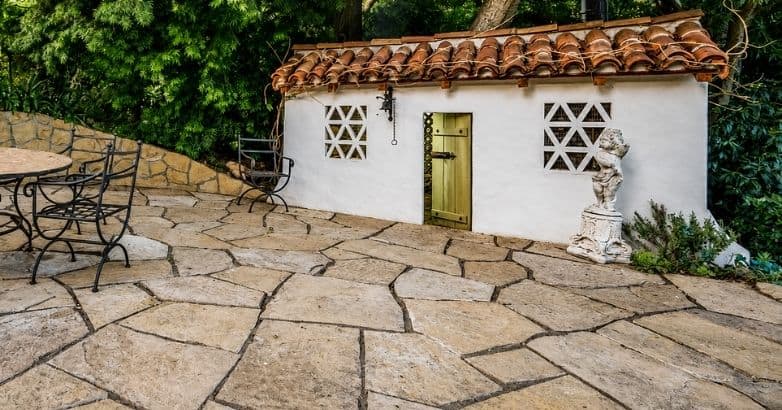
Bluestone vs flagstone for patios in Connecticut can perform well in cold weather, but durability depends on the specific stone and installation. Bluestone is well suited to Connecticut because it can withstand freeze-thaw cycles, heavy foot traffic, snow, and changing seasonal conditions when properly installed.
Flagstone durability varies more because it depends on the specific stone. Dense materials such as quartzite can perform extremely well in cold climates, while softer or more porous stones may be more vulnerable to cracking and weathering.
What Affects Long-Term Durability
- Resistance to repeated freezing and thawing
- Exposure to snow, moisture, and de-icing products
- Stone density and porosity
- Proper drainage and base preparation
- Installation quality and joint stability
Both bluestone and high-quality flagstone can last for decades, but proper installation is critical for long-term performance in Connecticut winters.
Read More: Best Stone for Patios in Connecticut – 5 Top Stone Options
Maintenance for Connecticut Patios
Both bluestone and flagstone require relatively simple maintenance, but Connecticut’s changing seasons can create additional cleaning and upkeep needs.
Common Patio Maintenance
- Remove leaves, snow, dirt, and salt residue regularly
- Clean organic stains before they settle into the stone
- Treat moss and algae that can develop in shaded or damp areas
- Check joints after winter for movement caused by freeze-thaw cycles
- Repair loose or uneven stones as needed
- Consider sealing depending on the stone type and desired protection
Both materials naturally weather and develop character over time. Proper drainage, routine cleaning, and occasional joint repairs can keep a Connecticut stone patio looking good for decades.
Installation Differences in Connecticut

Bluestone and flagstone can both perform well in Connecticut, but the installation method plays a major role in long-term durability.
Key Installation Differences
- Dimensional bluestone: Easier to align in clean, uniform patterns with consistent joints.
- Irregular flagstone: Requires more cutting, fitting, and layout work.
- Stone thickness: Proper thickness helps reduce movement and cracking in freeze-thaw conditions.
- Dry-laid patios: Allow some flexibility as the ground expands and contracts.
- Mortared patios: Require a properly built base to prevent cracking during Connecticut winters.
- Labor: Irregular stone generally takes more time to install than dimensional pieces.
Regardless of material, proper excavation, drainage, base preparation, and installation are essential for a patio that can withstand Connecticut’s seasonal conditions.
Repairs and Long-Term Ownership

When comparing bluestone vs flagstone for patios in Connecticut, both options can be repaired over time, especially when individual stones shift or become damaged after harsh winters.
Common Long-Term Repairs
- Replace individual cracked or damaged stones
- Relevel stones affected by frost heave or settling
- Repair joints that loosen after seasonal movement
- Address uneven areas before they become trip hazards
- Match replacement stone as closely as possible to existing weathered material
Bluestone can offer an advantage for future repairs because it is widely available throughout Connecticut and the Northeast. However, any natural stone will change in appearance as it ages, so replacement pieces may initially look different from the surrounding patio.
Read More: Natural Stone Pavers Vs Concrete Pavers – Full Comparison
Connecticut Bluestone vs. Flagstone FAQs
Below are answers to frequently asked questions about bluestone and flagstone patios.
Yes. Bluestone is a type of flagstone commonly used in Connecticut and the Northeast. It is a dense sandstone known for durability, natural cleft texture, and suitability for patios, walkways, and outdoor hardscaping applications.
Bluestone is often preferred in Connecticut due to its strength and resistance to freeze-thaw cycles. However, other dense flagstones like quartzite can perform equally well when properly installed with a stable, well-draining base system.
Bluestone is often more expensive than many flagstone options in Connecticut, but pricing varies based on stone type, thickness, availability, transportation distance, and the complexity of installation and site preparation requirements.
Properly installed bluestone can last several decades in Connecticut’s freeze-thaw climate. Other high-quality flagstones may also last long, but longevity depends on stone density, installation quality, drainage, and maintenance practices over time.
Dense, low-porosity stones perform best in cold climates like Connecticut. Bluestone and quartzite are top choices because they resist moisture absorption, reduce cracking risk, and remain stable when installed over a properly prepared, well-draining base system.
Conclusion
When comparing bluestone vs flagstone for patios in Connecticut, both materials can create durable, attractive outdoor spaces. Bluestone offers consistent performance, a refined appearance, and strong freeze-thaw durability, while other flagstone options provide greater variety in color, texture, and natural design.
The right choice depends on your property, budget, preferred style, and how the stone will perform in Connecticut’s climate.
Planning a new patio? Contact Elite Landscapes & Concrete to explore the best natural stone and installation options for your Connecticut home.