
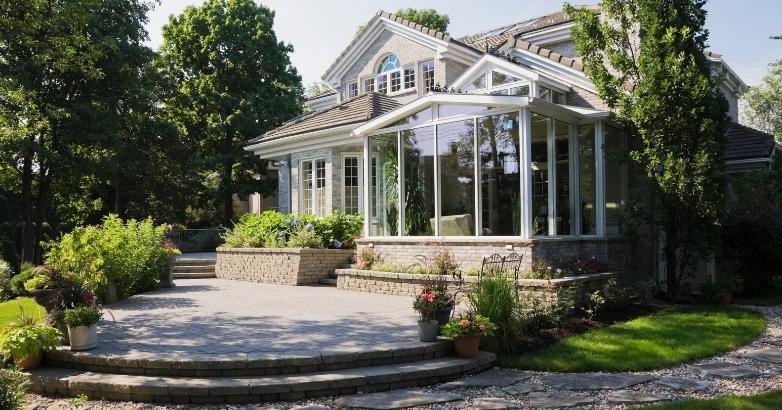
How Do I Choose the Right Patio Material in Connecticut?
A patio is a long-term investment, and the material choice directly affects appearance, cost, and durability.
The right patio material depends on four factors:
- Climate
- Budget
- Maintenance
- and style
In Connecticut, climate plays the biggest role. Freeze-thaw cycles, moisture, and soil movement can quickly damage the wrong material. For that reason, durability in New England conditions matters just as much as design.
For this reason, I created a table that can help you make the right decision.
Quick Comparison: Patio Materials Ranked Best to Worst for Connecticut
| Rank | Material | Best For | Why It Ranks Here | Main Tradeoff |
|---|---|---|---|---|
| 1 | Concrete Pavers | Best overall | Handles freeze-thaw cycles well, allows for ground movement, easy to repair, strong long-term value | Higher upfront cost than poured concrete |
| 2 | Bluestone | Best for high-end appearance | Durable, natural look, strong long-term performance in Connecticut climate | Expensive upfront and more involved to install |
| 3 | Brick | Best for traditional homes | Classic look, repairable, works well with colonial-style architecture | Can shift over time and usually needs more upkeep than pavers |
| 4 | Gravel | Best for low budget and drainage | Affordable, drains well, simple to install | High maintenance, less stable, less polished appearance |
| 5 | Poured Concrete | Best for lowest upfront cost | Low initial cost and clean simple look | Most likely to crack in Connecticut freeze-thaw conditions and hardest to repair |
This guide outlines the best patio materials for Connecticut homes and how to choose the right option based on specific needs.
Connecticut-Specific Factors That Impact Your Patio Choice

Connecticut’s climate and soil conditions directly affect how patio materials perform over time. These factors should guide the decision more than appearance alone.
Freeze-Thaw Durability
Frequent freezing and thawing cause materials to expand and contract. Weak materials can crack, shift, or break under this pressure. Durable options like concrete pavers and bluestone handle these cycles better than standard poured concrete.
Drainage and Moisture Exposure
Rain, snow, and humidity create constant moisture exposure. Poor drainage can lead to pooling water, erosion, and long-term damage. Materials that allow water to pass through or drain properly perform better in these conditions.
Soil Movement and Settling
Connecticut soil expands when wet and contracts when dry. This movement can cause patios to shift or become uneven over time. Flexible systems like pavers are less likely to crack compared to rigid surfaces.
Installation Quality
Even the best material will fail if installed incorrectly. Proper base preparation, grading, and drainage are critical to prevent shifting, cracking, and water damage.
Read More: Are Concrete Patios Good for Connecticut Homes? What to Know
Best Patio Materials for Connecticut Homes
The best patio materials for Connecticut homes are those that can handle freeze-thaw cycles, moisture, and soil movement while maintaining long-term performance.
Concrete Pavers (Best Overall for Durability and Flexibility)
Concrete pavers are one of the most reliable options for Connecticut patios. They are installed as individual units, which allows them to move slightly with the ground instead of cracking. If damage occurs, individual pavers can be replaced without redoing the entire patio, making them a practical and cost-effective long-term solution.
Bluestone (Best for Premium Look and Long-Term Value)
Bluestone is widely used in Connecticut because it holds up well in freeze-thaw conditions and complements traditional New England architecture. It’s dense, durable, and resists cracking better than many natural stones. While the upfront cost is higher, it adds long-term value and typically requires less frequent replacement or repair.
Read More: Bluestone VS Granite For Patios – Choosing The Right Stone
Poured Concrete (Best for Lower Upfront Cost)
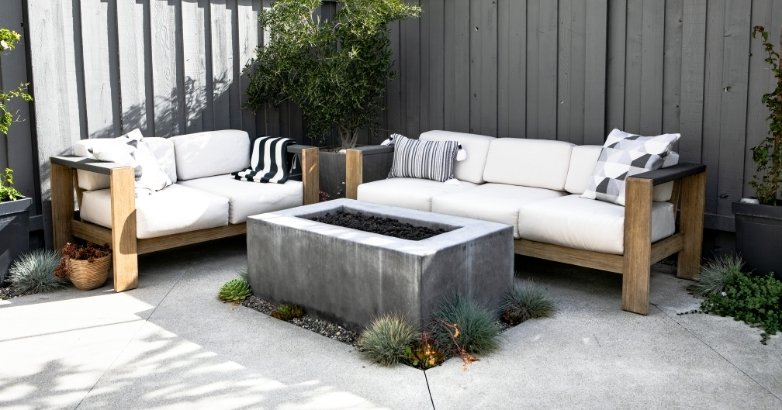
Poured concrete is a cost-effective option for homeowners looking for a simple patio layout. It can be installed quickly and works well for large, open spaces. However, in Connecticut’s climate, it is more likely to crack over time due to freezing and thawing, and repairs often require replacing entire sections.
Gravel (Best for Drainage and Budget-Friendly Projects)
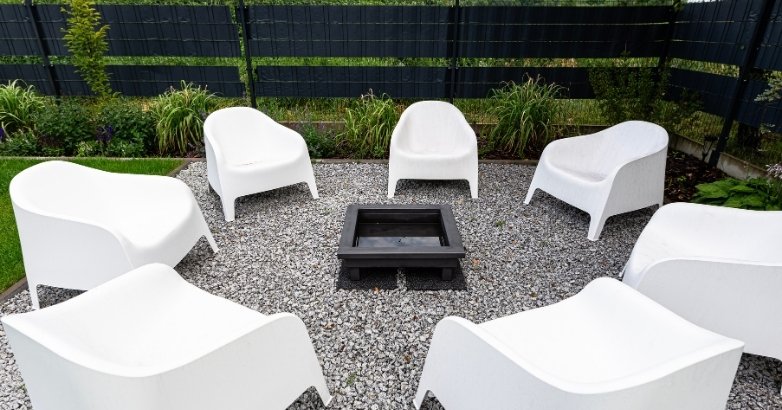
Gravel works well in areas where drainage is a concern because it allows water to pass through instead of pooling on the surface. It is one of the most affordable patio options and easy to install. However, it requires regular maintenance to keep it level and may not provide the same stability as solid surfaces.
Brick (Best for Traditional Style and Classic Appeal)
Brick patios offer a classic look that pairs well with colonial and historic-style homes common in Connecticut. Brick can handle cold weather reasonably well, but over time, shifting soil may cause uneven areas. Individual bricks can be reset, making repairs manageable without replacing the entire surface.
Pavers vs Concrete vs Bluestone
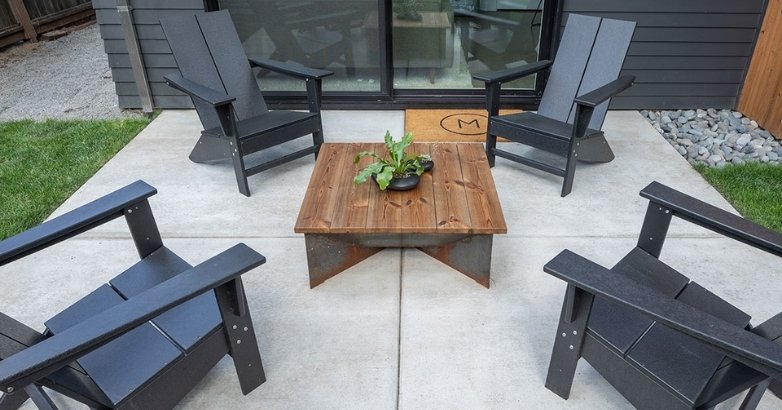
Each material performs differently in Connecticut conditions. The best choice depends on what matters most—durability, appearance, repairability, or budget.Read More: What’s the Cost of a Stone Patio in Connecticut? Full Guide
Which Is Best for Durability
Concrete pavers and bluestone both perform well in Connecticut’s freeze-thaw cycles. Pavers have the advantage because they can shift with the ground without cracking. Bluestone is also highly durable but can crack if the base is not properly installed. Poured concrete is the least durable in cold climates due to its tendency to crack over time.
Which Is Best for Appearance
Bluestone offers the most premium, natural look and is commonly used in high-end New England homes. Pavers come in a wide variety of styles and colors, making them versatile for both modern and traditional designs. Poured concrete has a simpler appearance, though stamped or colored options can improve its look.
Which Is Best for Repairs
Concrete pavers are the easiest to repair since individual units can be replaced without affecting the rest of the patio. Brick performs similarly. Bluestone repairs are more involved and may require replacing full sections. Poured concrete is the most difficult and expensive to repair because cracks often require patching or full slab replacement.
Which Is Best for Budget
Poured concrete typically has the lowest upfront cost and works well for basic patios. Pavers fall in the mid-range but offer better long-term value due to easier repairs. Bluestone is the most expensive option upfront but is often chosen for its appearance and long-term durability.
Best Patio Material by Priority
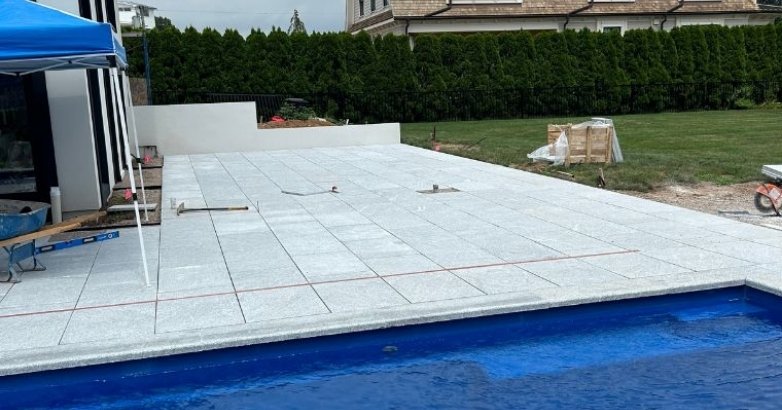
The right patio material depends on what matters most, cost, maintenance, appearance, or performance in Connecticut’s climate.
Best for Low Budget
Gravel and poured concrete are the most affordable options. Gravel has the lowest upfront cost and works well for simple patios, especially in drainage-prone areas. Poured concrete is slightly more expensive but provides a more solid surface. However, both may require more maintenance or repairs over time compared to higher-end options.
Best for Low Maintenance
Concrete pavers are one of the lowest-maintenance options because they resist cracking and allow for easy spot repairs. Bluestone also requires minimal maintenance once properly installed, though occasional sealing may be needed. Gravel requires the most upkeep due to shifting and spreading.
Best for High-End Appearance
Bluestone is the top choice for a premium, natural look. It is widely used in Connecticut for its clean, upscale appearance and ability to complement traditional and luxury homes. High-quality pavers can also achieve a similar look with more design flexibility.
Best for Poor Drainage
Gravel and permeable pavers perform best in areas with drainage issues. They allow water to pass through the surface instead of pooling, reducing the risk of erosion or water damage. Standard concrete and solid stone surfaces require proper grading and drainage systems to avoid problems.
Best for Long-Term Durability
Concrete pavers are typically the most durable option in Connecticut because they can handle freeze-thaw cycles and ground movement without cracking. Bluestone is also highly durable when installed correctly. Poured concrete is more prone to cracking over time, especially in colder climates.
Read More: Bluestone Vs Flagstone For Patios In Connecticut – Which Is Best?
Best Patio Material by Home Type
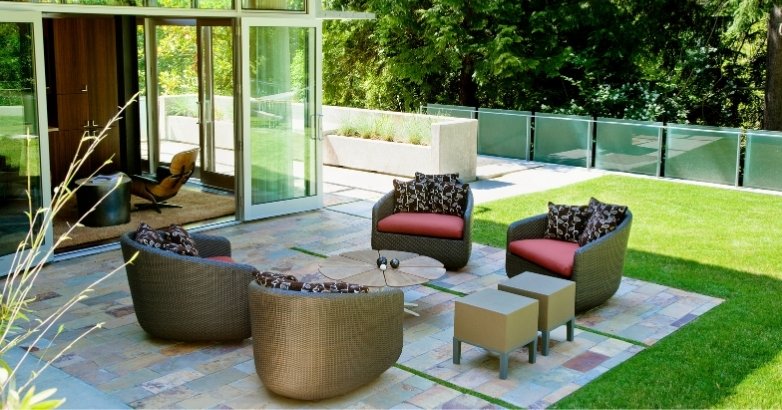
The right patio material should match the style of the home while also performing well in Connecticut’s climate.
Colonial Homes
Bluestone and brick are the most common choices for colonial-style homes. Bluestone provides a natural, high-end look that aligns with traditional New England architecture, while brick offers a classic, historic feel. Both materials complement symmetrical designs and neutral color palettes typical of colonial properties.
Modern Homes
Concrete pavers and poured concrete work best for modern homes due to their clean lines and minimalistic appearance. Large-format pavers or smooth concrete slabs create a sleek, contemporary look. Neutral tones like gray or charcoal help maintain a modern aesthetic while still offering durability.
Coastal Homes
In coastal areas of Connecticut, materials need to handle moisture, salt air, and drainage. Bluestone and concrete pavers are strong choices because they resist weathering and can be installed with proper drainage. Lighter color tones are often preferred to reflect heat and match coastal design styles.
Farmhouse or Cottage-Style Homes
Gravel, brick, and irregular bluestone are well-suited for farmhouse or cottage-style homes. These materials create a more relaxed, rustic appearance that fits informal outdoor spaces. Gravel is especially useful for larger areas, while natural stone adds character and variation.
Common Mistakes to Avoid
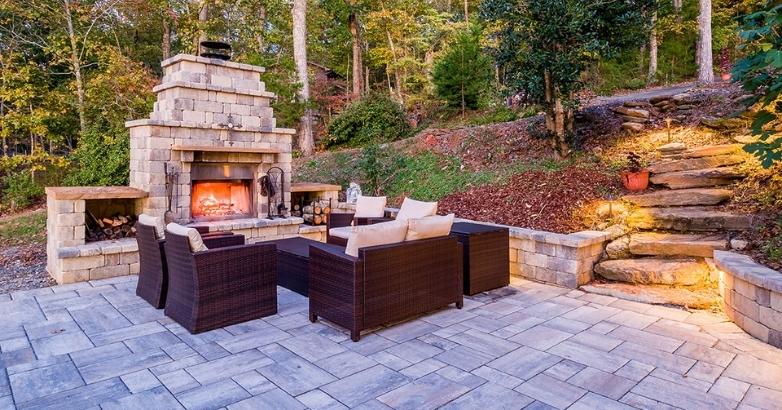
Choosing the wrong patio material often leads to higher long-term costs, repairs, and performance issues, especially in Connecticut’s climate.
Choosing Based Only on Upfront Price
Focusing only on initial cost can lead to expensive repairs later. Lower-cost options like poured concrete may seem appealing but are more likely to crack in freeze-thaw conditions. Materials like pavers or bluestone often provide better long-term value due to durability and easier maintenance.
Ignoring Drainage
Poor drainage is one of the most common causes of patio failure. Without proper grading and water management, moisture can lead to shifting, erosion, and surface damage. Materials alone won’t solve drainage issues, proper installation is critical.
Underestimating Maintenance
Every material requires some level of upkeep. Gravel needs regular leveling, pavers may require occasional re-sanding, and natural stone may need sealing. Choosing a material without considering maintenance can lead to frustration over time.
Choosing a Material That Does Not Fit the Home
A patio should match the style of the home. A modern concrete slab may look out of place next to a traditional colonial house, while rustic gravel may not suit a contemporary design. The wrong choice can reduce overall curb appeal.
Hiring the Wrong Installer
Even the best materials will fail if installed incorrectly. Poor base preparation, improper grading, and shortcuts during installation often lead to cracking, settling, or drainage problems. Working with an experienced contractor is essential for long-term performance.
FAQs
These common questions help clarify the most important decisions when choosing the right patio material in Connecticut.
Concrete pavers are generally the best overall option for Connecticut weather. They handle freeze-thaw cycles well, resist cracking, and allow for easy repairs. Bluestone is also a strong choice for durability and appearance, while poured concrete is more prone to cracking in cold climates.
Yes, pavers perform better than poured concrete in cold climates. They are installed as individual units, allowing them to shift with ground movement instead of cracking. Poured concrete is more rigid, which makes it more vulnerable to damage from freeze-thaw cycles.
Bluestone is worth the cost for homeowners looking for a high-end appearance and long-term durability. It performs well in Connecticut’s climate and adds strong curb appeal, but it requires a higher upfront investment compared to other materials.
Gravel is the cheapest patio material, followed by poured concrete. Gravel has the lowest installation cost and good drainage, but it requires more maintenance. Poured concrete offers a more solid surface but may lead to higher repair costs over time.
Concrete pavers and bluestone typically last the longest in Connecticut conditions. Both materials handle weather and ground movement well when properly installed. Pavers have an advantage because individual pieces can be replaced, extending the overall lifespan of the patio.
Final Recommendation
Choosing the right patio material in Connecticut comes down to durability, maintenance, budget, and how well the material fits the home’s style.
Concrete pavers are typically the best overall option for long-term performance, offering flexibility, durability, and easier repairs in freeze-thaw conditions. Bluestone is ideal for a high-end, natural look with strong long-term value, while poured concrete and gravel can work for lower-budget projects with some trade-offs.
The most important factor, however, is proper installation. Even the best materials will fail without the right base preparation, grading, and drainage. Contact us to get expert guidance and a patio solution built for Connecticut conditions.