
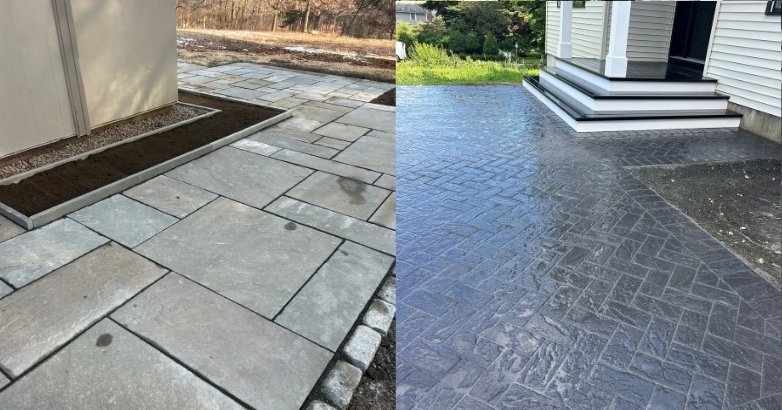
Bluestone VS Brick for Walkays in CT – Which is Best?
When comparing bluestone vs brick for walkways, Connecticut homeowners should consider appearance, durability, maintenance, and winter performance. Because the state experiences repeated freeze-thaw cycles, proper drainage and base preparation are also critical to how well either material performs over time.
Here is a quick comparison of these two materials in Connecticut:
| Factor | Bluestone | Brick | Winner |
| Connecticut winter performance | Performs well when installed over a stable, well-drained base | Performs well when exterior-rated paving brick is properly installed | Tie |
| Freeze-thaw resistance | Suitable for Northeast freeze-thaw conditions when exterior-grade stone is properly installed | ASTM C902 Class SX paving brick is designed for severe freeze-thaw exposure | Tie |
| Frost heave | Can lift, settle, or shift if the underlying base moves | Individual bricks can tilt or become uneven if the underlying base moves | Tie — installation matters most |
| Snow and ice | Performs well, but snow and ice can reduce traction | Performs well, but snow and ice can reduce traction | Tie |
| Wet-weather traction | Natural cleft and thermal finishes provide textured walking surfaces | Textured clay pavers can provide good traction; surface conditions also matter | Bluestone |
| Maintenance | Routine cleaning plus occasional joint maintenance or resetting | Routine cleaning plus more attention to joints, weeds, and individual pavers | Bluestone |
| Durability | Durable natural stone that can last for decades with proper installation | Exterior-rated clay pavers can also provide decades of service | Bluestone |
| Cost | Often more expensive, especially with dimensional stone or complex layouts | Can have a lower upfront cost, although patterns and labor affect pricing | Brick |
| Appearance | Blue-gray and natural color variations; available in dimensional or irregular formats | Warm reds, browns, and earth tones with numerous laying patterns | Tie — depends on home style |
| Repairs | Individual stones can often be lifted and reset, though larger pieces may require more labor | Individual bricks are generally easy to remove and replace | Brick |
(Neither material is immune to frost-related movement, making proper installation especially important in Connecticut.)
Read on to compare the two options in more detail.
What Is a Bluestone Walkway?
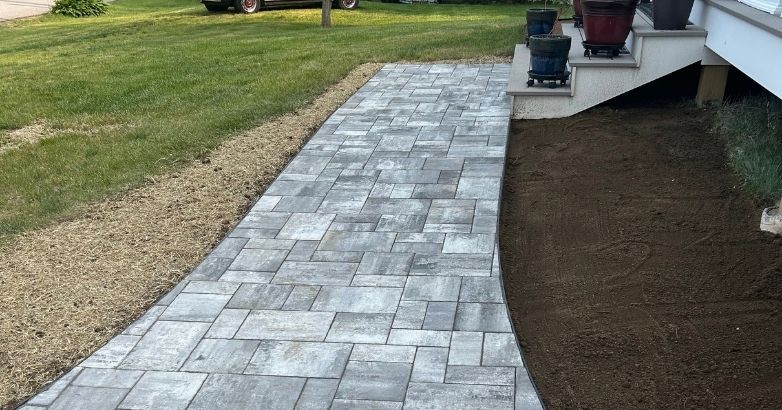
A bluestone walkway is made from natural sandstone quarried primarily in the Northeast, including Pennsylvania and New York. It is widely used for walkways, patios, and other outdoor surfaces throughout Connecticut because of its durability, natural appearance, and ability to perform in the region’s freeze-thaw climate.
Bluestone is commonly available in two formats:
- Dimensional bluestone: Cut into square or rectangular pieces for a more structured, uniform walkway.
- Irregular bluestone: Uses naturally shaped pieces fitted together for a more organic appearance.
The surface finish also affects how the walkway looks and feels. Natural cleft bluestone is split along the stone’s natural layers, creating a textured and slightly irregular surface. Thermal, or flamed, bluestone is exposed to intense heat to create a more consistent textured finish with good slip resistance for exterior applications.
Read More: Bluestone VS Granite For Patios – Choosing The Right Stone
Pros of Bluestone Walkways in Connecticut
Bluestone is a strong choice for Connecticut walkways because it combines durability, traction, and a natural appearance that works well with both traditional and modern homes. As a stone native to the Northeast, it is commonly used in exterior applications designed to withstand the region’s changing weather.
- Performs well through freeze-thaw cycles: Bluestone is widely used in Northeast exterior paving and can perform well through repeated freezing and thawing when installed over a properly prepared, well-drained base.
- Durable natural stone: It is well suited to high-traffic outdoor surfaces such as walkways and patios and can provide long-term performance with proper installation.
- Good traction: Natural cleft and thermal finishes create textured surfaces that can improve slip resistance for exterior walking areas.
- Fewer joints with larger-format stones: Dimensional bluestone is available in relatively large pieces, allowing some walkway designs to use fewer joints than small-unit paving materials.
- Works with many Connecticut home styles: Its natural color variation and range of finishes allow it to complement traditional, rustic, and contemporary architecture.
- Fits New England landscapes: Bluestone’s regional character gives it a natural visual connection to Connecticut landscapes and outdoor designs.
For homeowners looking for a walkway that balances durability, regional character, and year-round performance, bluestone is a versatile option.
Cons of Bluestone Walkways in Connecticut
Bluestone offers strong long-term performance, but it also comes with a few drawbacks that Connecticut homeowners should consider before choosing it for a walkway.
- Higher upfront cost: Natural bluestone often costs more than brick or manufactured pavers, especially when using thicker stone, dimensional cuts, or more complex layouts.
- Can still heave or shift: Bluestone is not immune to frost movement. Poor drainage, inadequate excavation, or an improperly compacted base can allow stones to shift, settle, or become uneven over time.
- Can become hot in summer: Darker bluestone can absorb significant heat in direct sunlight, making the surface warmer during hot summer days.
These drawbacks do not necessarily make bluestone a poor choice, but they make proper installation, site preparation, and material selection especially important.
What Is a Brick Walkway?
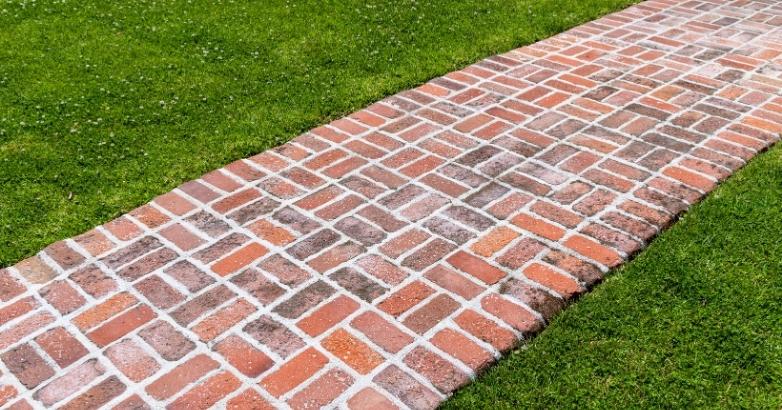
A brick walkway is typically built with fired clay paving bricks designed to serve as a walking surface. For residential paths and sidewalks, paving brick should be selected for exterior use and the expected level of pedestrian traffic. The Brick Industry Association identifies ASTM C902 as the standard for pedestrian and light-traffic paving brick.
Paving brick is different from standard building brick. Building brick is primarily intended for masonry construction, while paving brick is manufactured to function as the exposed wearing surface of a pavement system. That distinction is especially important in Connecticut, where walkway materials must withstand moisture, freezing temperatures, and repeated freeze-thaw cycles.
Clay pavers are available in a wide range of colors and textures, including traditional reds and browns as well as darker, lighter, and variegated tones. They can also be arranged in patterns such as running bond, herringbone, basket weave, and stack bond, making brick especially well suited to traditional New England and Colonial-style landscapes.
Read More: Bluestone Vs Flagstone For Patios In Connecticut – Which Is Best?
Pros of Brick Walkways in Connecticut
Brick is a popular choice for Connecticut walkways because it offers traditional character, flexible design options, and relatively straightforward repairs.
- Classic New England appearance: Brick’s warm red, brown, and earth-toned colors fit naturally with traditional Connecticut landscapes and streetscapes.
- Well suited to Colonial and historic homes: Brick pairs especially well with Colonial, Georgian, Federal, and other traditional architectural styles common throughout New England.
- Numerous laying patterns: Running bond, herringbone, basket weave, and other patterns allow homeowners to create anything from a simple walkway to a more decorative design.
- Individual bricks can be replaced: If a paver cracks, chips, or becomes damaged, it can often be removed and replaced without rebuilding the entire walkway.
- Can have a lower upfront cost than natural stone: Depending on the brick, pattern, site preparation, and labor involved, brick can be a more budget-friendly option than dimensional bluestone.
For homeowners who value traditional New England style and design flexibility, brick can be an attractive and practical walkway material.
Cons of Brick Walkways in Connecticut
Brick walkways can perform very well in Connecticut, but they generally require more attention to joints, drainage, and base stability than larger-format stone surfaces.
- More joints: Because brick uses many small individual units, a walkway has more joints where sand can erode, weeds can appear, and maintenance may be needed over time.
- Can shift when the base moves: Frost heave, poor drainage, or inadequate compaction beneath the walkway can cause individual bricks to settle, tilt, or become uneven.
- Moss and weeds can develop in damp areas: Shaded or consistently moist walkways may develop moss or algae on the surface, while weeds can grow in joints if maintenance is neglected.
These issues are manageable, but proper installation and routine upkeep are important for keeping a brick walkway level, clean, and safe over time.
Bluestone vs. Brick: Which Handles Connecticut Winters Better?
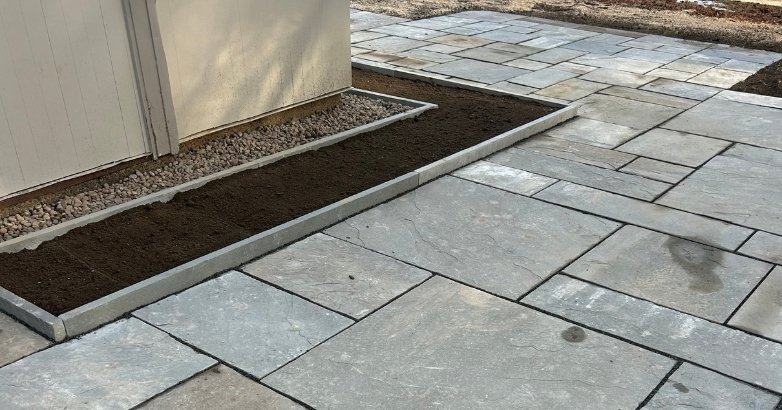
When comparing bluestone vs brick for walkways, both materials can perform well through Connecticut winters when the right products are used and installation is done properly.
Neither material, however, can compensate for poor installation. Water can infiltrate through surface joints and surrounding soil, and excess moisture in the pavement system can contribute to frost heave, settling, and loss of support during thaw periods.
For Connecticut homeowners, that means drainage, excavation, base material, and proper compaction are just as important as choosing between bluestone and brick. A properly installed walkway using suitable exterior materials will generally perform better than a poorly installed walkway made from either option.
Read More: Benefits Of Stone Patios In Connecticut – 14 Advantages
Freeze-Thaw Resistance
Bluestone and properly rated clay paving brick can both withstand repeated freezing and thawing, but moisture absorption is an important factor. Water that enters porous material can freeze and expand, increasing the risk of deterioration over repeated cycles.
For brick walkways in Connecticut, homeowners should use exterior-rated paving brick rather than standard building brick. ASTM C902 Class SX pavers are specifically intended for conditions where the brick may freeze while saturated with water. Bluestone selected for exterior paving can also perform well in freeze-thaw environments, although natural stone should always be chosen with its specific properties and exposure conditions in mind.
Frost Heave
Frost heave occurs primarily beneath the walkway rather than within the surface material itself. When frost-susceptible soil, freezing temperatures, and available moisture occur together, ice can form and expand in the soil, pushing the pavement above it upward.
Because brick walkways contain many individual units, sections of brick may tilt or become uneven when the base moves. Larger bluestone pieces can also lift, settle, or shift, sometimes creating more noticeable changes between adjacent stones. Proper excavation, a stable compacted aggregate base, and good drainage reduce the amount of moisture available beneath the walkway and therefore lower the risk of frost-related movement.
Snow and Ice
Both bluestone and brick can perform well during Connecticut winters, but snow and ice can reduce traction on either surface.
Snow should be removed regularly so repeated melting and refreezing does not leave persistent ice on the walkway. Uneven stones or shifted bricks can also make shoveling more difficult, which is another reason maintaining a level surface matters.
Deicing products should be selected carefully. Repeated exposure to deicing chemicals can contribute to deterioration in some natural stones, while paving brick intended for freezing climates should meet appropriate durability requirements. When possible, follow the stone or brick manufacturer’s recommendations before applying salt or chemical deicers.
Read More: Are Concrete Patios Good For Connecticut Homes? What To Know
Bluestone vs. Brick: Key Differences for Connecticut Homes
When comparing bluestone vs brick for walkways, the differences extend beyond winter performance to cost, maintenance, appearance, traction, and ease of repair. These factors can determine which material makes more sense for a particular Connecticut property.
Cost
Bluestone is often the more expensive option, particularly when using large dimensional pieces, premium colors, or labor-intensive layouts. Brick can offer a lower upfront material cost, although intricate patterns such as herringbone may require additional labor.
For either material, the final price also depends on excavation, base preparation, walkway shape, grading, drainage, and site accessibility. These installation costs are particularly important in Connecticut, where a stable, well-drained base contributes significantly to long-term performance. Cutting back on base preparation simply to reduce the initial price can lead to more costly repairs later.
Durability and Lifespan
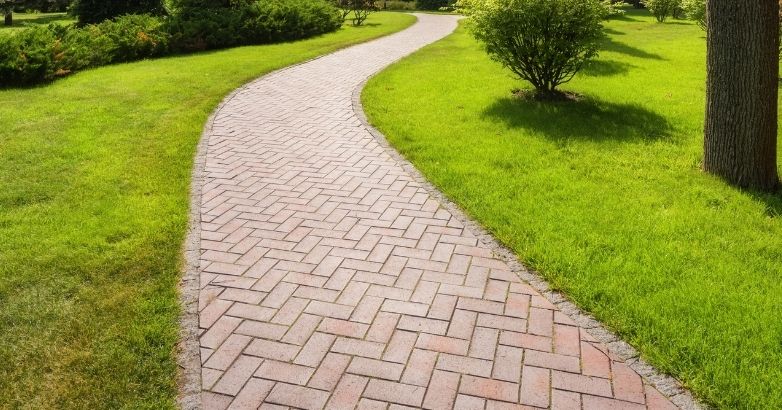
Both materials can provide decades of service when the right products are selected and properly installed. Bluestone is a durable natural sandstone commonly used for exterior paving throughout the Northeast, while exterior-rated clay pavers are manufactured to withstand pedestrian use and exposure to freezing conditions.
Over time, individual bluestone pieces may chip, crack, settle, or shift, while brick pavers can also become uneven if the underlying base moves. Connecticut’s freeze-thaw cycles make drainage and base stability especially important for extending the life of either walkway.
Maintenance
Bluestone generally requires routine sweeping and occasional washing, along with resetting stones or maintaining joints if movement occurs. Brick requires similar cleaning but has more joints, which can mean additional attention to joint sand, weeds, and individual pavers that become uneven.
Shaded, damp sections of either walkway may also develop moss or algae. After winter, homeowners should inspect the surface for movement, loose material, uneven areas, and drainage problems before they become more significant.
Slip Resistance
Surface finish makes a major difference in traction. Natural cleft bluestone has a naturally irregular texture, while thermal bluestone is heat-treated to create a rougher surface suitable for exterior applications where slip resistance is important. Smooth honed bluestone is generally better suited to interiors because it can become slippery when wet.
Clay paving brick can also provide good traction, although surface texture and weather conditions influence how slippery either material becomes.
Appearance
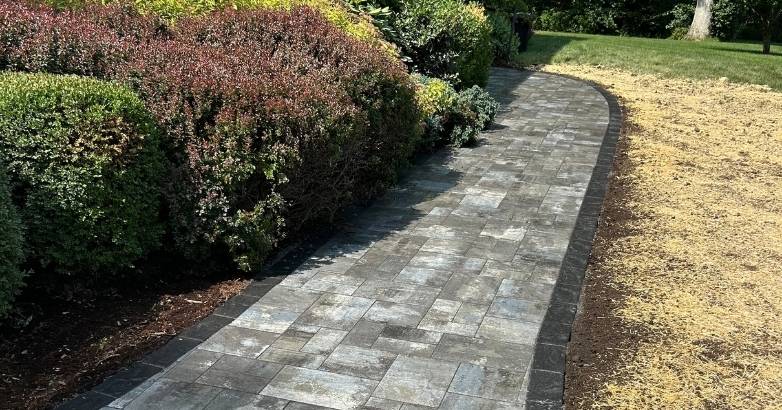
Bluestone provides a natural appearance with colors ranging from blue-gray to green, brown, rust, and lilac. Larger rectangular pieces can create a clean, structured walkway, while irregular flagging produces a more organic look.
Brick offers warmer reds, browns, and earth tones with clearly defined joints. Different laying patterns, such as running bond or herringbone, can create either a simple or more decorative appearance.
Repairs
Brick has an advantage when a single unit becomes damaged because individual pavers can usually be removed and replaced without disturbing much of the surrounding walkway. Bluestone can also be lifted and reset when settlement or frost movement occurs, although larger and heavier pieces may require more labor.
Matching an older walkway can be a consideration with either material. Natural bluestone varies in color and texture from piece to piece, while an exact brick color, size, or product may no longer be readily available years after installation. Keeping a small supply of leftover material from the original project can make future repairs easier.
Read More: Front Walkway Ideas – 10 Expert Picks For Connecticut Homes
Which Material Works Best for Connecticut Home Styles?
When comparing bluestone vs brick for walkways, the best choice often comes down to how well each material complements your home’s architectural style and overall landscape design.
Bluestone for Connecticut Homes
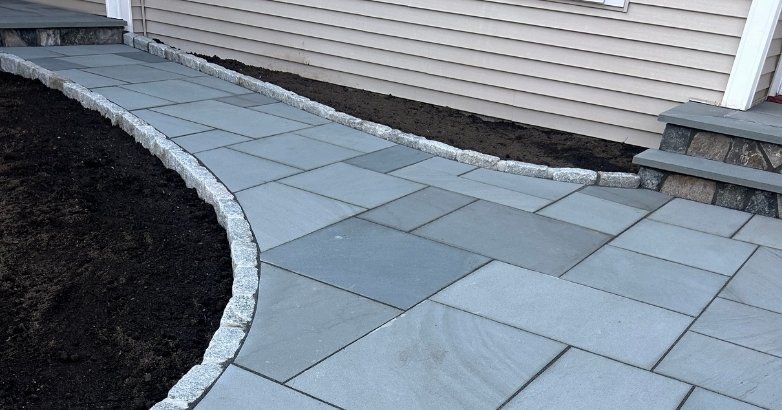
Bluestone works well with a wide range of Connecticut home styles because its natural color variation and flexible formats can feel either traditional or contemporary. Dimensional stone creates a cleaner, more structured look, while irregular bluestone is better suited to relaxed, naturalistic landscapes.
- Colonial homes: Bluestone complements the symmetry and traditional character of Colonial architecture without competing with brick, clapboard, or painted siding.
- Cape Cod homes: Its understated blue-gray tones pair well with simple facades, shingles, and coastal-inspired landscaping.
- Craftsman homes: Natural stone works especially well with the wood, stone, and earthy materials commonly associated with Craftsman design.
- Contemporary homes: Large-format dimensional bluestone can create clean lines and a more modern walkway appearance.
- Stone or shingle-style homes: Bluestone blends naturally with stone façades, cedar shingles, and other textured exterior materials.
- Properties with naturalistic landscaping: Irregular bluestone works well with curved paths, planting beds, mature trees, and informal garden designs.
For Connecticut properties where the goal is a natural, versatile walkway that can adapt to both traditional and modern architecture, bluestone is one of the most flexible choices.
Brick for Connecticut Homes
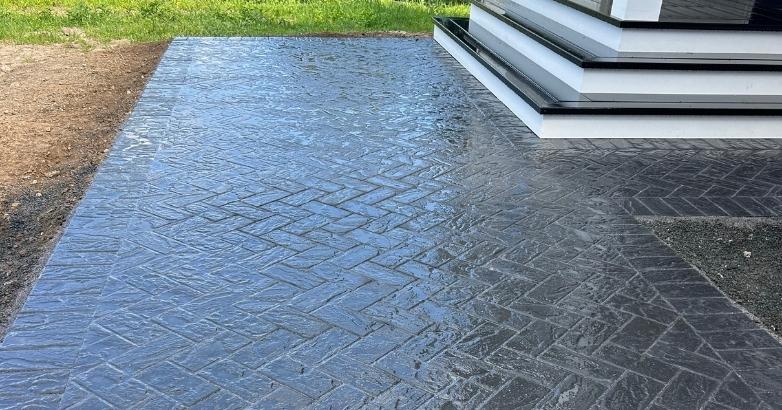
Brick is especially well suited to Connecticut homes with traditional or historic architecture. Its warm color, small-unit scale, and classic paving patterns can reinforce the character of older homes while also tying into existing masonry details.
- Colonial homes: Brick complements the symmetry, shutters, clapboard siding, and traditional detailing commonly associated with Colonial architecture.
- Georgian homes: Formal brick patterns work naturally with the balanced proportions and masonry-heavy appearance of Georgian-style homes.
- Federal-style homes: Brick walkways can reinforce the refined, historic character of Federal architecture, especially when used in simple, orderly patterns.
- Historic properties: Clay brick is often a strong visual fit for older homes and landscapes where preserving traditional character is a priority.
- Traditional New England homes: Red and brown brick tones pair well with classic siding, stone walls, mature landscaping, and other regional materials.
- Homes with existing brick architecture: A brick walkway can create continuity when the home already features brick chimneys, steps, foundations, or façade details.
For Connecticut homeowners looking for a walkway with a traditional, established appearance, brick is particularly effective when it complements existing architectural details and materials.
Bluestone vs. Brick: Which Is Better for Connecticut?
When comparing bluestone vs brick for walkways, bluestone is often the stronger all-around choice for Connecticut homes when durability, natural stone, fewer joints, and a classic Northeast appearance are priorities. It performs well in freeze-thaw climates when installed over a properly prepared, well-drained base and works with a wide range of architectural styles.
Brick may be the better choice when traditional New England character, decorative laying patterns, easier individual-unit repairs, or a potentially lower upfront cost are more important. Properly rated exterior clay pavers can also perform very well through Connecticut winters.
The final decision should not be based on material alone. Poor drainage, inadequate excavation, or an unstable base can cause either bluestone or brick to shift, settle, or heave over time. Site conditions such as slope, shade, surrounding trees, soil conditions, and expected foot traffic should ultimately guide the choice.
FAQs About Bluestone vs. Brick Walkways in Connecticut
Here are the most frequently asked questions about bluestone vs brick for walkways in CT.
Yes. Bluestone is widely used for exterior paving throughout the Northeast and can perform well through Connecticut’s freeze-thaw cycles when installed over a stable, well-drained base.
Yes, provided the correct paving brick is used. ASTM C902 Class SX clay pavers are intended for exterior conditions where the pavers may freeze while saturated with water, making them appropriate for cold climates such as Connecticut.
Both can work well in snowy conditions. Natural cleft or thermal bluestone provides a textured surface, while exterior clay pavers can also offer good traction. Ice can make either surface slippery, so snow removal and winter maintenance remain important.
Neither material is inherently immune to frost heave. The primary factors are frost-susceptible soil, freezing temperatures, and available moisture beneath the walkway, making drainage and proper base preparation more important than choosing brick or bluestone alone.
It can be, particularly when covered with ice or organic growth. However, natural cleft and thermal bluestone have textured finishes that provide better traction than smoother stone finishes.
Repeated exposure to deicing chemicals can potentially contribute to deterioration in some natural stone, so homeowners should follow the stone supplier’s recommendations before applying them to bluestone. Properly rated clay pavers generally tolerate salt and freezing well, although surrounding joints and installation materials should also be considered.
Bluestone can require less joint maintenance because larger stones typically create fewer joints. Brick may require more attention to joint material, weeds, and individual pavers, but damaged bricks are generally easier to replace one at a time.
Both can complement a Colonial home. Brick provides a particularly traditional New England appearance, while bluestone offers a classic natural-stone look that works well with Colonial architecture and landscaping.
Properly installed bluestone and exterior-rated clay brick can both last for decades. Actual lifespan depends on material quality, drainage, base preparation, exposure, installation quality, and ongoing maintenance. Clay pavers have an especially long history of use, with some installations remaining in service for well over a century.
Conclusion
When comparing bluestone vs brick for walkways, both can be excellent choices for Connecticut homes. Bluestone stands out for its natural appearance, durability, and versatility, while brick offers traditional New England character, decorative patterns, and easier individual repairs. In either case, proper drainage, base preparation, and installation are essential for handling Connecticut’s freeze-thaw conditions.
If you’re planning a new walkway or replacing an existing one, contact Elite Landscapes & Concrete to discuss which material best fits your property, style, and site conditions.